


Ethnic, Regional, and Cultural Identity: The Overlooked Drivers of Brand Choice in Nigeria
Ethnic, Regional, and Cultural Identity: The Overlooked Drivers of Brand Choice in Nigeria
Most brands get marketing wrong.
They focus on age brackets. Income levels. Postcodes. Maybe some psychographics if they are feeling fancy.
But they miss something bigger. Something that actually drives why people buy.
Ethnic identity. Regional pride. Cultural values.
These are not soft factors. They are hard drivers of brand choice. And in a country as diverse as Nigeria, ignoring them is like trying to navigate Lagos traffic without a map.
At Business Cardinal, we have seen this play out again and again. A campaign that works beautifully in Ikeja falls flat in Kano. A product that sells out in Port Harcourt gathers dust in Enugu.
The difference is not price. It is not quality. It is identity.
If you want to understand your consumers better, our consumer behaviour research services for Nigerian brands can help you uncover these hidden drivers.
Let me walk you through what this means, why it matters, and how you can get it right.
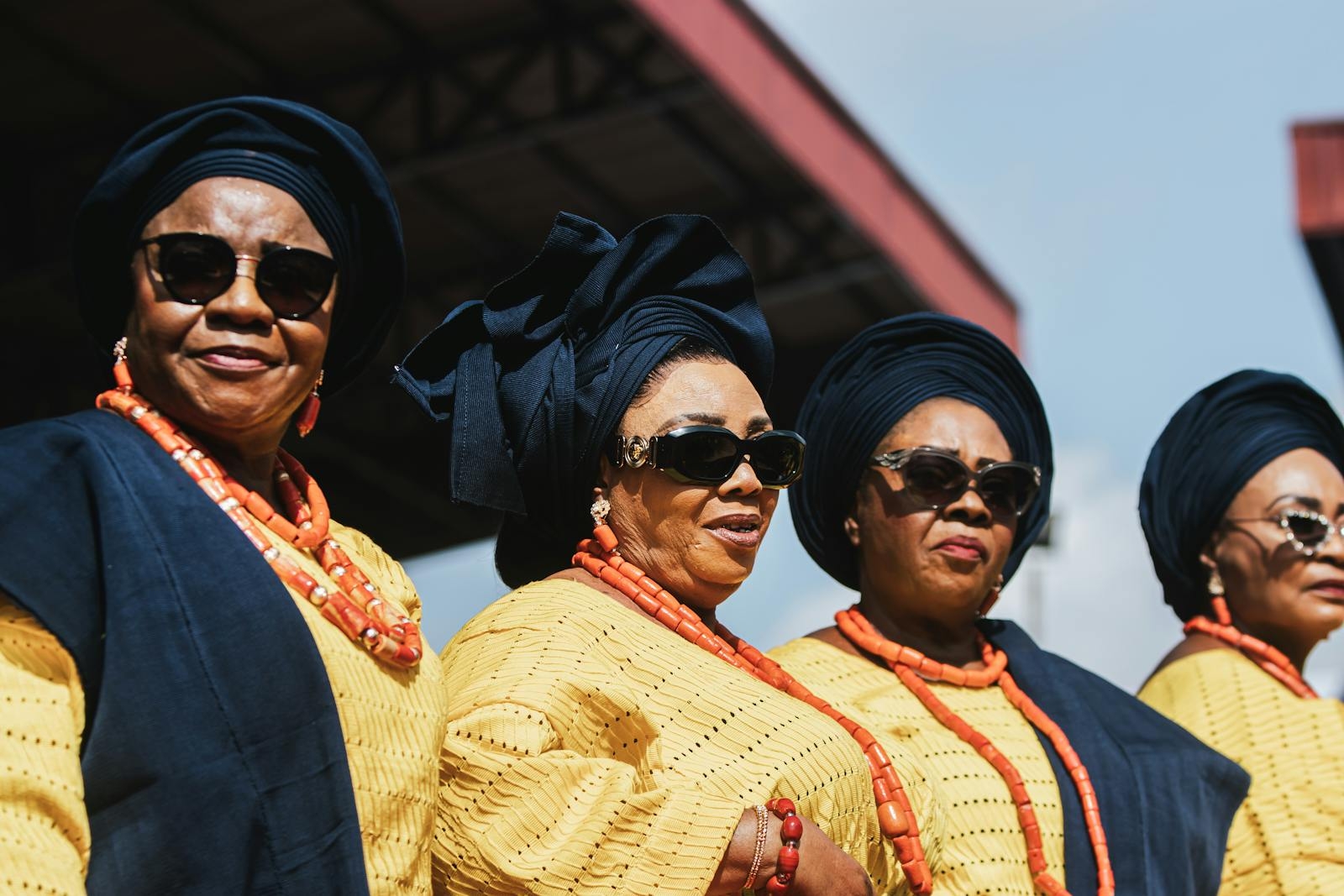
What do we mean by cultural identity?
Let us start with a clear definition.
Cultural identity is the sense of belonging to a particular culture or group. It includes shared values, beliefs, traditions, language, and practices. According to the American Psychological Association, cultural identity shapes how people see themselves in relation to their cultural group.
Here is what matters for your brand.
Cultural identity is not just about where someone comes from. It is about the values they hold dear. The traditions they celebrate. The communities they feel connected to.
And here is the kicker. All of this shapes what they buy, which brands they trust, and who they stay loyal to.
You cannot see cultural identity on a spreadsheet. But you can feel its effects in your sales numbers.
For a deeper understanding of how identity shapes behaviour, check out our cultural insights and segmentation study for Nigerian marketers.
The power of ethnic identity in brand preference
Let me tell you how this works in real life.
Ethnic identity acts like an anchor. It operates at both a conscious and subconscious level. When a consumer sees their ethnic identity reflected in your brand, something shifts. They feel seen. Understood. Respected.
That feeling is powerful. It goes way beyond functional benefits like price or convenience.
Research from the Journal of Consumer Research shows that consumers are more likely to purchase from brands that acknowledge and celebrate their ethnic heritage. But here is the catch. It has to be authentic. Tokenism and superficial representation do not work. Consumers can smell fake from a mile away.
Think about it this way.
Food brands that adapt flavours to regional palates win. Beauty products that cater to diverse skin tones and hair textures win. Fashion brands that incorporate traditional design elements win.
Now let us bring this home to Nigeria.
Brands that use local languages in their advertising achieve stronger recall. Those that feature traditional motifs build deeper loyalty. Companies that celebrate culturally relevant holidays instead of generic Western ones create real emotional connection.
The Nigerian Communication Commission has documented that consumers respond better to advertising in their native languages. Yet most national campaigns still use English only.
If you are running a brand in Nigeria and still using one-size-fits-all Western campaigns, you are leaving money on the table.
Our brand positioning and identity strategy for diverse Nigerian markets can help you get this right.
Regional identity: more than just a pin on a map
People often confuse regional identity with ethnic identity. They are related but different.
Regional identity is about the pride people take in their locality. Their state. Their city. Even their neighbourhood.
This pride translates directly into brand preferences.
Consumers favour local businesses. They choose regional products. They trust brands that show genuine commitment to their specific community.
A study by the Nigerian Bureau of Statistics shows significant regional variations in consumer spending patterns. What sells in the South-West may not sell in the North-East. Not because of availability. Because of culture.
In Nigeria, the regional differences are massive.
A consumer in Lagos lives a different life from someone in Kano. A shopper in Port Harcourt has different priorities from someone in Enugu. These differences are driven by cultural norms, climate considerations, and local pride.
Smart brands recognise this. They do not treat Nigeria as one homogeneous market. They adapt their strategies region by region.
Regional identity also shapes media consumption. It influences shopping habits. It determines who consumers trust.
Local endorsements often carry more weight than national celebrity campaigns. Community engagement matters more than billboards. Regional partnerships build authenticity in ways that corporate social responsibility reports never will.
Cultural values as purchase drivers
Let me take you deeper.
Cultural values are the bedrock principles that guide every decision a person makes. Individualism versus collectivism. Attitudes toward authority. Views on family. Respect for tradition.
The Hofstede Insights cultural framework has documented how these values vary across countries and regions. Nigeria, for example, scores high on collectivism and power distance. This has direct implications for marketing.
These values operate quietly. But their impact on purchasing behaviour is enormous.
Cultural values determine what products people consider appropriate. They shape what is seen as desirable. They define what is necessary.
In collectivist cultures, products that emphasise family benefits or community connection resonate more than those promoting individual achievement. In more traditional societies, religious values influence everything from food choices to entertainment to financial services.
Here is the strategic implication.
Brands that align with cultural values enjoy stronger loyalty. They get more word-of-mouth recommendations. Their customers defend them in arguments.
Conversely, brands that violate cultural values even unintentionally face backlash. And in our connected world, cultural missteps go viral fast.
The World Advertising Research Center (WARC) has documented multiple case studies of brands that failed because they ignored local cultural values.
The most successful brands in diverse markets share one thing. They invest in deep cultural understanding. They do not rely on surface-level insights or assumptions.

Recent trends you need to know (2026)
This space is moving fast. Here is what has changed recently.
AI and hyper-personalisation. Advanced AI tools now let brands deliver culturally nuanced messaging at scale. According to McKinsey & Company, machine learning can identify cultural preferences and adjust content automatically. But be careful. Deployed thoughtlessly, this technology can create stereotyping or cultural appropriation.
Gen Z cultural fluidity. Younger consumers embrace multiple cultural identities at once. Research from Nielsen shows that Gen Z expects brands to understand complex, layered identities. They celebrate cultural fusion. Treating culture as a simple checkbox will lose you this audience.
Sustainability through a cultural lens. Environmental consciousness is now filtered through cultural perspectives. The United Nations Development Programme (UNDP) has documented that indigenous knowledge and traditional sustainability practices are shaping green marketing.
Digital community building. Social media has become a space where ethnic and regional identities are celebrated and reinforced. A report by Statista shows that brands building or participating in these digital communities gain massive trust advantages.
Authenticity auditing. Consumers have gotten sophisticated. They can detect performative diversity versus genuine commitment. They scrutinise whether your leadership, supply chains, and corporate practices match the values you promote in your marketing.
The business case for cultural intelligence
Let me be direct with you.
Understanding ethnic, regional, and cultural identity is not just socially responsible. It is economically imperative.
Global demographics are shifting. According to Brookings Institution, in many countries, ethnic minorities are becoming the majority. Purchasing power is spreading across diverse communities. Brands that fail to recognise this shift become irrelevant.
But there is another reason. Cultural intelligence drives innovation.
When you deeply understand different cultural perspectives, you spot unmet needs. You develop products for overlooked markets. This has created breakthrough successes across beauty, personal care, technology, and financial services.
If you want to grow in Nigeria or any diverse market, cultural intelligence is not a nice to have. It is a must have.
How to implement cultural identity insights
Knowing is not enough. You need to act.
Here are practical steps you can take.
Start with research. Invest in qualitative and quantitative research that explores how ethnic, regional, and cultural identities influence your target consumers. Go beyond demographics. Understand values, traditions, and identity-related motivations.
Build diverse teams. Your marketing and product development teams should reflect the diversity of your target markets. The Harvard Business Review has documented that diverse teams make better decisions about culturally nuanced marketing.
Create culturally adaptive content. Develop campaigns that can be adapted for different cultural contexts. This might mean multiple versions with different cultural references, languages, or imagery.
Engage with communities. Build authentic relationships through sponsorships, partnerships, and consistent presence. Do not just show up during cultural heritage months or special occasions. Be there all year.
Measure cultural resonance. Track not just sales but cultural connection. Monitor brand sentiment within specific communities. Assess the authenticity of your cultural engagement.
Recommended reading from the Business Cardinal blog
If you want to go deeper on understanding consumers and building authentic brands in Nigeria, these related articles will help.
Building a Risk-Aware Culture in Your Organization – Understanding cultural identity is a form of risk management. Brands that ignore cultural signals face reputation and financial risks. Read the Guide.
Board Evaluation: Why It Matters – Board Assessment Nigeria – Stronger Oversight – Strong governance starts with understanding the markets you serve. Boards that lack cultural intelligence make bad strategic decisions. Read the Article.
Corporate Governance Lessons from Nigerian Bank Failures – Many corporate failures trace back to leaders who did not understand the cultural contexts of their customers and communities. Learn from the past. Read the Guide.
Recommended services from Business Cardinal
Ready to turn cultural insights into marketing results? These services are designed to help Nigerian brands connect authentically with diverse consumers.
Consumer Behaviour Research Services for Nigerian Brands – We go beyond demographics to uncover the ethnic, regional, and cultural drivers of brand choice. Qualitative and quantitative methodologies tailored to Nigerian markets.
Brand Positioning and Identity Strategy for Diverse Markets – Not sure how to position your brand across Nigeria’s diverse regions? We help you develop culturally adaptive brand architecture that resonates everywhere.
Cultural Insights and Segmentation Study for Nigerian Marketers – One size does not fit all. We help you segment your audience by cultural values, ethnic identity, and regional pride. Then we show you how to reach each segment effectively.
Where to go from here
Cultural identity is not a niche marketing consideration. It is the lens through which most consumers view your brand.
Start with one region. One ethnic group. One cultural value.
Understand it deeply. Then expand.
You do not need to solve for all of Nigeria at once. You just need to start somewhere.
Let’s work together
Does your brand truly understand the cultural drivers of consumer choice in Nigeria?
At Business Cardinal, we help Nigerian organisations build marketing strategies that respect and celebrate ethnic, regional, and cultural identity. Not as a compliance exercise. As a genuine competitive advantage.
Whether you need consumer research, brand positioning, cultural segmentation, or authenticity auditing, we are here to help.
Contact us today:
📧 Email: hello@businesscardinal.com
📞 Phone: +234 802 320 0801
📍 Address: 5, Ishola Bello Close, Off Iyalla Street, Alausa, Ikeja, Lagos, Nigeria
Contact Business Cardinal to discuss your cultural intelligence and consumer insights needs.
The cultural drivers that shape your consumers’ choices are identifiable today. Let Business Cardinal help you see them clearly and market to them deliberately.
Business Cardinal – Your Partner in Consumer Intelligence
References
-
American Psychological Association – Cultural Identity Definition
-
Journal of Consumer Research – Ethnic Identity and Brand Preference Studies
-
Nigerian Communication Commission – Language and Advertising Effectiveness
-
Nigerian Bureau of Statistics – Regional Consumer Spending Patterns
-
Hofstede Insights – Cultural Dimensions Framework
-
World Advertising Research Center (WARC) – Cultural Missteps Case Studies
-
McKinsey & Company – AI and Cultural Personalisation
-
Nielsen – Gen Z Cultural Fluidity Research
-
United Nations Development Programme (UNDP) – Indigenous Knowledge and Sustainability
-
Statista – Digital Community Building Trends
-
Brookings Institution – Global Demographic Shifts
-
Harvard Business Review – Diversity and Marketing Decision Making
Related Post

From Feasibility to Financial Close: Why Many Projects Never Get Funded
Print 🖨 PDF 📄 eBook 📱From Feasibility to Financial Close: Why Many Projects Never Get…
Importance of Tracking Assets for Financial Reporting and Compliant in Nigeria
Print 🖨 PDF 📄 eBook 📱Importance of Tracking Assets for Financial Reporting and Compliant in…

Cross-Border Mergers Between Nigerian and West African Companies
Print 🖨 PDF 📄 eBook 📱Cross-Border Mergers Between Nigerian and West African Companies The strategic…

There are no comments