


West Africa’s Consumption Corridors: Where Demand Will Concentrate by 2030
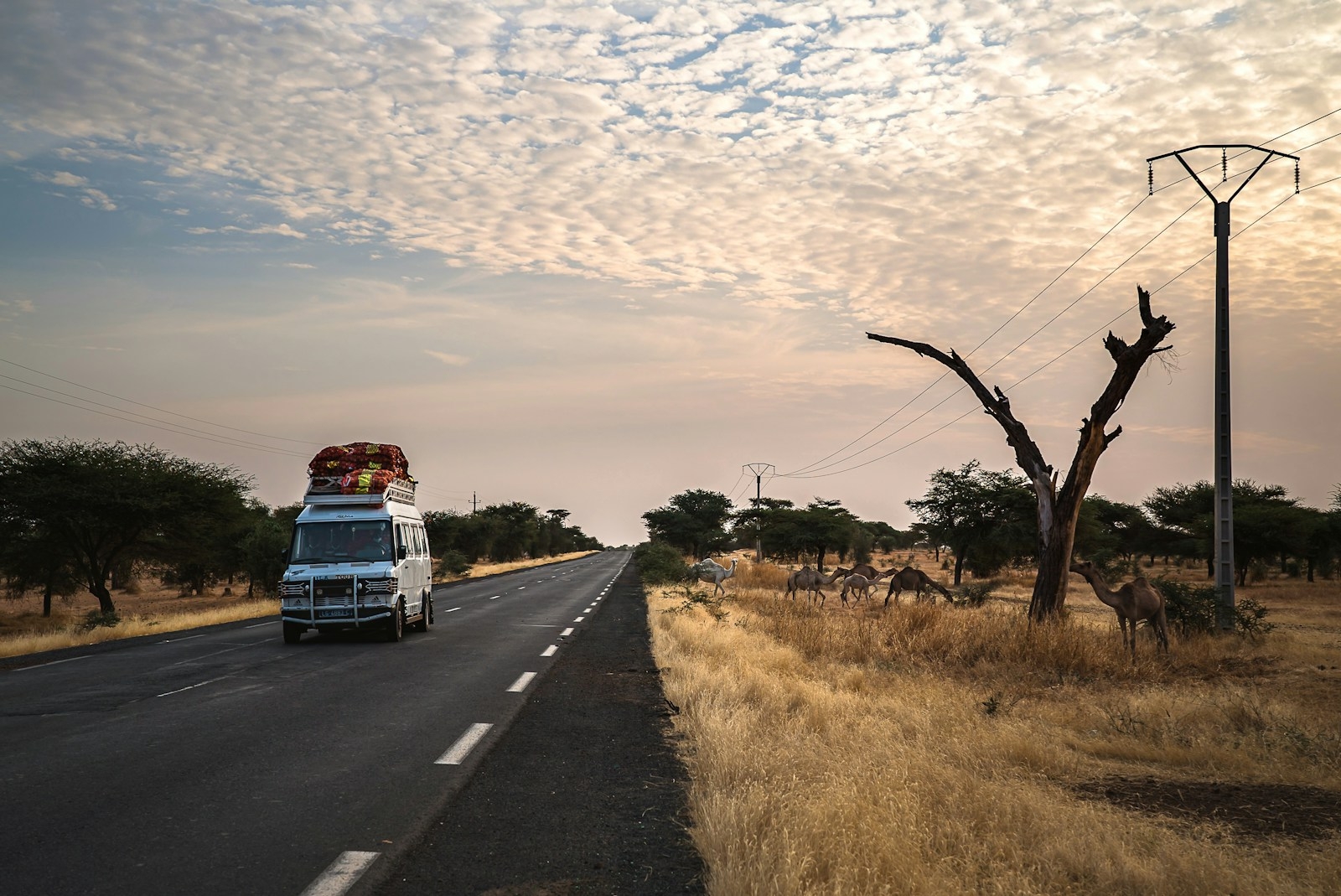
West Africa’s Consumption Corridors: Where Demand Will Concentrate by 2030
Here is a question that shapes investment strategy across the region.
Where will West Africa’s consumer spending cluster by the end of this decade?
West Africa stands at the edge of a spending boom. Household outlays are set to add significantly to Africa’s $2.5 trillion consumer market by 2030. The region’s economic map is being reshaped by big infrastructure projects, the rush to cities, and growing buying power among the middle class.
This analysis looks at how consumption corridors, the pathways linking production zones, city hubs, and global gateways will define where economic activity gathers over the next six years.
Understanding economic corridors: a framework for regional growth
Before we dive into West Africa’s specific chances, let us get clear on what “economic corridors” mean in this setting.
According to the Asian Development Bank , an economic corridor is infrastructure that “connects economic agents along a defined geography, providing important connections between economic nodes or hubs that are usually centered in urban landscapes.”
These corridors have three parts that work together: a transport link (the physical roads and rails), factory hubs (where goods are made), and cities (big spending markets and sources of workers and new ideas).
The West African consumer market today and in 2030
Market size and growth path
West Africa is one of the most exciting spending frontiers on the continent. The region’s consumer market is growing fast, driven by three key forces: rapid urban growth, more people, and rising household earnings.
Africa’s total household spending hit $1.4 trillion in 2015 and is set to reach $2.5 trillion by 2030. West Africa, home to Nigeria (Africa’s most populous nation) and several other fast-growing economies, will grab a big share of this growth.

The youth boost
West Africa’s young population is both a hurdle and a huge chance. Nigeria alone, with over 200 million people, has one of the largest youth groups in the world. These young workers are moving to cities, getting online, and dreaming big. By 2030, nearly 75% of Africans are expected to have internet access, which will change how they shop and what they buy.
Key spending hubs like Lagos and Kano in Nigeria, Accra in Ghana, and Abidjan in Côte d’Ivoire are growing fast in population. Lagos and Johannesburg each have over 8 million shoppers, while cities like Kinshasa and Luanda have more than 4 million. These city centers are becoming the main spots for consumer spending, with money flowing to telecom, fashion, fun, fast-moving goods, and more and more, online shops.
How people spend their money
West African shoppers show smart buying habits, caring about brand names, value for money, and a growing taste for quality goods. But 2025 data shows a notable shift: buyers across the region are spending more carefully, picking value over brand loyalty, and turning to informal markets more often than before.
Main spending categories include:
-
Food and drinks (the biggest slice)
-
Telecom and mobile services
-
Fashion and clothes
-
Housing and property
-
Schooling and health care
-
Fun and leisure
The rise of mobile money and digital payments has changed how people get consumer goods, especially in Nigeria, Ghana, and Kenya, where mobile use beats regional averages.
Big infrastructure corridors reshaping West Africa
The Abidjan-Lagos coastal road: a game changer
The biggest infrastructure project now underway in West Africa is the 1,028-kilometer Abidjan-Lagos coastal motorway. This bold corridor will link Côte d’Ivoire to Nigeria via Ghana, Togo, and Benin, changing the region’s economic map.
Project facts – Up to $15.6 billion in interest from private and institutional partners. Building set to start in 2026, with completion aimed for 2030. Expected to change how five West African nations connect. The African Development Bank paid for feasibility studies and built funding plans.
This road will cut shipping costs, shorten travel times, and open economic doors for towns along its path. Most of all, it will tie five national economies into a tighter regional market, letting goods, services, and people move more smoothly.
Dr. Akinwumi Adesina, head of the African Development Bank Group, stressed why such roads matter: regional corridors enable easy movement of goods and services across the continent, reduce transport costs, encourage integration, and achieve effective economic development.
The Trans-Sahara highway: linking north and sub-Saharan markets
The Trans-Sahara highway has already shown what corridors can do. In Niger, new paved roads have replaced old, bumpy surfaces, cutting travel times sharply and opening new economic doors for local towns. This road network boosts Niger’s role as a crossroads between the Maghreb and the Sahel, linking Algeria, Nigeria, and Chad.
Secondary corridors and regional ties
Beyond these flagship projects, many smaller corridors are growing.
The Accra-Ouagadougou corridor – This route moves an average of 17,500 tons of grains and 96,000 heads of livestock in informal trade each year, worth $5.5 million and $68 million. While much of this trade stays informal due to red tape, efforts to smooth customs steps promise to make these flows official and larger.
ECOWAS road network – The Economic Community of West African States is working to improve road links among all 15 member states. Between 2004 and 2022, the African Development Bank put over $13 billion into regional road corridor projects across Africa, with West Africa getting a big share.
Spending hotspots: cities as economic magnets
Lagos, Nigeria: Africa’s mega-city consumer hub
Lagos is West Africa’s top spending center. With a metro population over 15 million and growing, Lagos takes a huge share of Nigeria’s consumer spending. The city serves as:
-
Nigeria’s business capital
-
Main gateway for world trade
-
Hub for tech startups and online shops
-
Center of West Africa’s showbiz industry (Nollywood)
-
Banking services headquarters
Consumer spending in Lagos covers all areas, with special strength in telecom, fashion, property, and luxury goods. The city’s ports handle most of Nigeria’s imports, making it the main entry point for consumer goods entering West Africa’s biggest economy.
Abidjan, Côte d’Ivoire: the rising star
Abidjan has seen a strong economic comeback in recent years, putting itself as West Africa’s second-biggest spending center. The city’s edge comes from:
-
Its role as a regional trade hub
-
Modern port facilities on the Atlantic coast
-
A growing middle class with rising buying power
-
Strong sectors in food and drinks, clothes, and fun
Accra, Ghana: steady growth
Ghana’s steady economic rise has pushed Accra into the spotlight as a key West African spending hub. The city’s draw for shoppers and investors comes from:
-
Political steadiness and democratic rule
-
A well-built banking and finance sector
-
Growing mall and retail store infrastructure
-
Strong spending on schooling and health care
-
Its smart location as a regional gateway
Smaller cities: fresh chances
Beyond the main hubs, several smaller cities are seeing fast spending growth:
-
Kano, Nigeria – northern Nigeria’s business center with over 3 million shoppers
-
Kumasi, Ghana – major commercial city in Ghana’s interior
-
Dakar, Senegal – West Africa’s westernmost big port city
-
Lomé, Togo – growing trade and shipping hub
-
Cotonou, Benin – key port city serving landlocked neighbors
What people are buying: sector trends
Fast-moving consumer goods (FMCG)
The FMCG sector is the biggest and most active part of West African spending. Both global giants and local champions fight for market share in areas like:
-
Drinks (soft drinks, bottled water, alcohol)
-
Personal care products
-
Home cleaning products
-
Packaged foods
-
Dairy products
Firms like Dangote Group, Nigerian Breweries, Unilever, and local makers such as Azam and Bidco have grown their output to meet rising demand. The informal retail sector (roadside sellers, small shops, open markets) still handles most FMCG sales, though formal retail is gaining ground in cities.
Telecom and digital services
Telecom is still one of West Africa’s most profitable consumer sectors. Mobile phone use tops 80% in several countries, with smartphone adoption speeding up. Over 525 million Africans used the internet in 2019, and projections suggest nearly 75% of the continent will be online by 2030.
Key trends include:
-
Shift from voice to data services
-
Fast growth in mobile money and digital payments
-
Growth of online shopping platforms
-
Rising need for streaming services and digital content
-
Growing fintech ecosystem
Property and building
The rush to cities is driving record need for homes, office space, and infrastructure. Lagos alone faces a housing shortage in the millions of units. This creates chances in:
-
Home building (both low-cost and luxury)
-
Commercial office space
-
Shopping centers and malls
-
Factory parks and warehouses
-
Hotel and resort facilities
Cars and transport
As incomes rise and roads get better, car ownership is growing across West Africa. Nigeria has pushed local car making through policy rewards, drawing firms like Nissan to set up assembly plants. The corridor growth will further boost demand for commercial trucks, vans, and passenger cars.
Energy and power
Energy use is both a critical need and a big market chance. The West African Clean Energy Corridor (WACEC) aims to boost renewable energy’s share of the regional power mix to 48% by 2030 (including big hydro). This shift creates chances in:
-
Solar power systems (home and business)
-
Battery storage solutions
-
Energy-saving appliances
-
Grid infrastructure
-
Power generation gear
Consumer Market & Retail Intelligence can help you spot the best opportunities across West Africa’s spending corridors.
Hurdles to spending growth
Gaps in infrastructure
Despite big spending, West Africa still faces major infrastructure issues. Roads are still poor in many areas, with some of the world’s longest travel times between countries and highest costs per kilometer. Power supply remains shaky in most countries outside big cities, limiting factory output and consumer comfort.
Trade barriers and red tape
The region’s corridors face many administrative hurdles including:
-
Slow border and customs clearance steps
-
Official and unofficial checkpoints and roadblocks
-
Uneven use of ECOWAS trade liberalization plans
-
High duties, taxes, and paperwork
These blocks drive a lot of informal cross-border trade. On the Accra-Ouagadougou corridor alone, informal trade is worth over $73 million each year.
Access to money
Despite progress in mobile money, access to formal credit is still limited for many West African shoppers and businesses. Heavy reliance on family and informal funding sources holds back both spending and business investment. Banking use remains low in rural areas and among lower-income groups.
Currency and rate swings
Eight ECOWAS countries use the CFA franc (tied to the Euro), while others have their own currencies that swing a lot. Currency shifts affect import costs, shopper buying power, and cross-border trade.
Safety worries
Some corridors and areas face security threats from uprisings, banditry, and piracy, which disrupt trade flows and scare off investment. The Sahel region in particular has seen instability that hurts commerce and movement.
Policy plans enabling corridor growth
African Continental Free Trade Area (AfCFTA)
The AfCFTA, which began in 2021, creates a single continental market for goods and services with potential reach to 1.7 billion people. By 2030, if done right, this plan will give firms many entry points to African markets and new chances for trade within Africa.
For West Africa, the AfCFTA promises to:
-
Cut tariffs and non-tariff barriers
-
Make trade paperwork and steps the same
-
Help professionals and workers move across borders
-
Create larger, more efficient markets for consumer goods
ECOWAS integration agenda
The Economic Community of West African States (ECOWAS), set up in 1975, keeps pushing regional ties through:
-
Shared external tariff rules
-
ECOWAS Trade Liberalization Scheme
-
Free movement rules for people and goods
-
Coordinating regional infrastructure spending
-
ECOWAS Renewable Energy Policy (aiming for 48% green energy by 2030)
National economic plans
Individual countries are putting policies in place to boost spending and draw investment:
-
Nigeria – import duty rules that push local making
-
Ghana – steady economic policies that draw foreign investment
-
Côte d’Ivoire – infrastructure spending driving economic growth
-
Senegal – major investments in energy shift and transport infrastructure
Investment chances and smart moves
For makers and brand owners
Firms making consumer goods should think about:
Make it locally – set up production plants within West Africa to cut import costs, avoid tariffs, and react quickly to local tastes. Nigeria, Ghana, and Côte d’Ivoire have the most developed factory ecosystems.
Master distribution hurdles – success means knowing both formal and informal retail channels. Team up with local distributors who get the complex, many-leveled distribution networks.
Fit products to local tastes – West African shoppers have their own likes, needs, and buying habits. Products that win in other markets may need changes in recipe, pack size, or pricing.
Invest in route-to-market infrastructure – firms should think about building their own distribution networks, including warehouses, cold storage, and delivery vans.
For shops and online platforms
The retail sector offers big chances for new ideas:
Modern retail formats – malls, supermarkets, and convenience stores are still few compared to the region’s spending potential. City centers can support more formal retail space.
Online and digital channels – mobile-first e-commerce sites built for local payment habits (mobile money, cash on delivery) can capture growing online demand.
Omnichannel plans – winning shops will blend physical and digital channels, knowing that many shoppers like to see and touch products before buying.
Last-mile delivery fixes – companies that solve the tough last-mile delivery puzzle in West African cities will gain a big edge.

For those putting money into infrastructure
Corridor growth creates chances in:
Shipping and warehouses – modern logistics hubs, especially near big ports and along key corridors, will bring top rents as formal trade grows.
Transport services – trucking firms, freight forwarders, and shipping lines will gain from rising trade along built corridors.
Property development – homes and offices in cities along major corridors will rise in value as economic activity picks up.
Energy infrastructure – power making, moving, and sharing networks are still badly under-supplied across the region.
For financial service providers
The finance sector can gain from:
Lending to shoppers – a growing middle class needs credit for homes, cars, schooling, and goods.
Financing for small firms – small and medium businesses driving spending growth need working capital and investment funding.
Payment systems – digital payment networks, mobile money platforms, and point-of-sale systems are still underdeveloped.
Insurance products – rising ownership of assets creates demand for property, car, health, and life insurance.
The 2030 vision: a changed region
By 2030, West Africa’s spending map will look very different from today. The finish of the Abidjan-Lagos corridor will have sped up ties among five economies with over 300 million shoppers. Better roads will have cut trade costs, letting both formal and informal firms reach larger markets more easily.
What will change
Market ties – the five countries along the Abidjan-Lagos corridor will work more like one economic zone, with goods, services, and people moving freely. This will create chances for regional brands and supply chains that span many countries.
Faster urban growth – cities along major corridors will see fast population growth as better links draw firms and workers. Smaller cities like Lomé, Cotonou, and inland factory hubs will become key spending points.
More formal trade – better roads and smoother border steps will shift a lot of trade from informal to formal channels, raising tax income for governments and creating chances for established firms.
Digital shift – near-universal internet access will change how West Africans find, check, and buy goods and services. E-commerce, digital payments, and online services will grab a growing share of consumer spending.
Factory revival – local production will rise across many areas as firms set up plants to serve the growing regional market. This will create jobs, build industry skills, and cut reliance on imports.
Middle class growth – rising incomes will boost the middle class by a lot. By 2030, about 582 million Africans will reach middle-class income levels, with West Africa adding a big share to this growth.
According to the Brookings Institution , Africa’s consumer market potential is not just about size but about the speed of change. The firms that move early will be the ones that win big.
The bottom line
West Africa is at a turning point. The mix of youth trends, infrastructure spending, policy plans, and tech adoption is creating new chances for firms that know where and how spending will cluster by 2030.
The strategic corridors linking Lagos, Abidjan, Accra, and other big cities will be the economic arteries of the region, moving goods, services, money, and people. Companies that build strong positions along these corridors, whether through plants, distribution networks, store presence, or digital platforms, will grab a bigger share of value as the region’s consumer market grows toward $2.5 trillion.
Winning will take more than just getting into the market. It demands:
-
Deep knowledge of local shopper tastes and buying habits
-
Patience with tricky rules and infrastructure hurdles
-
Smart ties with local partners who know the lay of the land
-
Spending on building distribution and service skills
-
A pledge to fit products and business models to West African realities
For those ready to make these promises, West Africa’s spending corridors offer one of the world’s most exciting growth chances over the next six years and beyond.
The shift is already underway. The question is not whether West Africa’s consumption corridors will reshape the region’s economic map (that is a sure thing). The question is which firms and investors will put themselves in the right spot to gain from this historic change.
Suggested reading from our blog
If you want to deepen your understanding of West Africa’s consumer markets, these related articles will help.
The Abidjan-Lagos Corridor: A Guide for Investors – What the $15.6B road project means for business.
AfCFTA and West African Retail: What Changes by 2030 – How free trade will reshape shopping patterns.
Secondary Cities: West Africa’s Next Growth Hubs – Opportunities beyond Lagos, Accra, and Abidjan.
Related services
Business Cardinal offers specialized services to help organizations seize West African consumption corridor opportunities:
-
Consumer Market & Retail Intelligence – Spending pattern analysis, retail channel mapping, and consumer behavior insights for West African markets
-
Infrastructure & Corridor Development Advisory – Logistics network design, distribution strategy, and infrastructure opportunity assessment
-
Cross-Border Trade & Regional Expansion – Market entry strategy, regulatory navigation, and trade corridor optimization for regional growth
Reference Links
The following trusted sources were cited in this article:
-
Asian Development Bank – Economic corridor definition and framework
-
Brookings Institution – Africa’s consumer market potential analysis
-
Business Cardinal – Consumer market and regional expansion advisory services
Next steps
At Business Cardinal, we offer sharp market intelligence, strategic advice, and actionable tips to help firms and investors find their way through West Africa’s shifting economic scene.
Contact us today to talk about how we can support your growth in West Africa’s transforming markets.
📧 Email: hello@businesscardinal.com
📞 Phone: +234 802 320 0801
📍 Address: 5, Ishola Bello Close, Off Iyalla Street, Alausa, Ikeja, Lagos, Nigeria

There are no comments