


Smart Manufacturing: How Nigerian Factories Are Adopting Automation
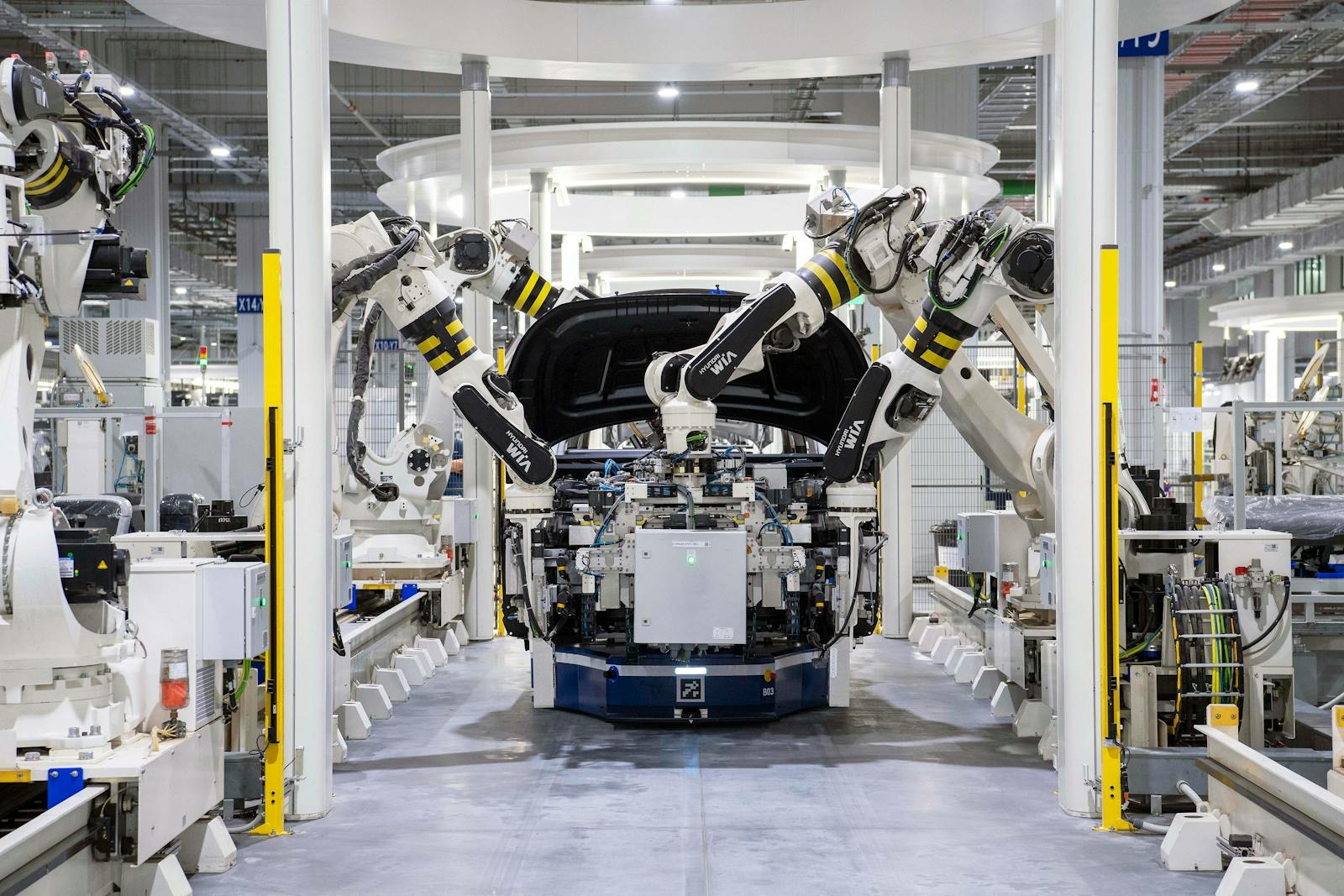
Smart Manufacturing: How Nigerian Factories Are Adopting Automation
Here is a question every Nigerian manufacturer ought to be thinking about.
Is your plant prepared for the next wave of industrial change?
Nigeria’s production sector is evolving. Factories nationwide are embracing automation and intelligent manufacturing technologies. This shift marks a turning point in the country’s industrial journey.
As Industry 4.0 concepts take hold in Nigerian plants, businesses are finding fresh ways to streamline operations, lower expenses, and build lasting growth.
Understanding smart manufacturing
Before examining Nigeria’s path toward automation, let us clarify the idea driving this shift.
According to the National Institute of Standards and Technology (NIST) , smart manufacturing means “fully-integrated, collaborative manufacturing systems that respond in real time to meet changing demands and conditions in the factory, in the supply network, and in customer needs.

This approach brings together IoT sensors, artificial intelligence, machine learning, robotics, and cloud computing. It allows plants to make choices based on data, foresee maintenance needs, and adjust swiftly to market shifts.
Where Nigerian manufacturing stands with automation
Nigeria’s production sector is gradually adopting automation technologies.
Traditional methods that relied heavily on manual work are being supplemented by automated systems. Nigerian producers in food and drink, pharmaceuticals, cement, and consumer goods are leading the way.
Companies like Dangote Group, Nestle Nigeria, and Nigerian Breweries have put money into automated production lines, quality control systems, and inventory management tools.
The pace of adoption varies by industry. Larger firms generally move faster than small and medium enterprises. But government programs are helping close the gap.
Key technologies powering smart manufacturing in Nigeria
Several technologies are helping Nigerian plants change how they operate.
Robotics and automated assembly
Industrial robots are becoming more common in Nigerian plants, especially in vehicle assembly, food processing, and packaging. These machines perform repetitive tasks with accuracy and consistency.
Collaborative robots, or cobots, that work beside human operators are also gaining ground. They offer flexibility without fully replacing people.
IoT sensors
IoT devices are being placed throughout Nigerian production facilities to track equipment performance, monitor stock levels instantly, and fine-tune energy use.
These sensors provide ongoing data streams that enable predictive upkeep, cutting costly downtime and extending machine life.
Artificial intelligence and machine learning
AI-powered systems are helping Nigerian producers examine production data, spot trends, and make smart choices. Machine learning algorithms improve production schedules.
They also foresee quality problems before they happen and allow dynamic resource allocation based on demand forecasts.
Cloud-based management systems
Cloud computing platforms allow Nigerian plants to access powerful software without heavy upfront IT spending. ERP, MES, and SCM tools hosted in the cloud give real-time visibility across operations.
Advanced analytics and big data
Data analytics platforms process huge volumes of manufacturing data to uncover insights that drive ongoing improvement. Nigerian producers use these tools to find bottlenecks, cut waste, and fine-tune production settings.
Benefits Nigerian factories are seeing
Adopting smart manufacturing technologies is delivering real results.
Higher output
Automated systems run around the clock with little downtime. Nigerian plants report output gains of 25-40% after bringing in automation.
Better product quality
Automated quality checks using computer vision and AI catch flaws more accurately than human inspectors. This consistency leads to fewer product recalls and stronger brand reputation.
Lower costs
While upfront investment can be steep, automation delivers long-term savings through reduced labor costs, fewer mistakes, and lower energy use. Nigerian producers typically see payback within 2-4 years.
Safer workplaces
Robots handle dangerous jobs like working with hazardous materials. This shift cuts workplace accidents and creates safer conditions for human workers.
More flexibility
Smart manufacturing systems let Nigerian plants quickly reconfigure production lines for different products. They can respond rapidly to market changes.
Edge in export markets
Automation helps Nigerian producers meet international quality standards more consistently. They can compete on delivery speed and price their products competitively.
Barriers to automation adoption
Nigerian producers face several hurdles on their automation journey.
High upfront costs
Buying automated equipment and new software systems can be too expensive, especially for SMEs. Limited access to affordable financing makes this harder.
Skills shortage
Nigeria lacks enough workers trained in robotics, automation systems, and data analytics. Schools are slowly updating their courses, but the gap remains large.
Infrastructure problems
Unreliable power supply continues to be a major constraint. Automated systems need steady electricity. Frequent outages can damage sensitive equipment.
Resistance to change
Cultural factors and worries about job loss create resistance. Overcoming this requires good change management, open communication, and retraining programs.
Limited local technical support
Most advanced manufacturing equipment comes from overseas. Local support for maintenance and repairs is often limited, creating reliance on foreign technicians.
Cybersecurity risks
As plants become more connected, they become more vulnerable to cyberattacks. Many Nigerian producers lack strong cybersecurity protections.
Industrial Automation & Process Optimization can help you navigate these challenges and build a solid automation strategy.
Government backing and programs
The Nigerian government has launched several efforts to support automation adoption.
The Federal Government’s Industrial Revolution Plan aims to turn Nigeria into a manufacturing hub for Africa. The Central Bank of Nigeria has set up intervention funds for manufacturing sector growth.
The Nigerian Export Promotion Council offers grants and technical help. Public-private partnerships with MAN are creating training programs to address the skills gap.
Special Economic Zones offer tax breaks for companies setting up automated manufacturing facilities. The government is also working to improve power infrastructure in industrial areas.
Recent policy updates include the National Digital Economy Policy supporting Industry 4.0 adoption and higher customs duty waivers on imported automation equipment.
Success stories from Nigerian leaders
Dangote Cement
Dangote Cement has put billions of naira into automated production technology. The company uses advanced process control, automated quality testing, and robotic palletizing. These investments have helped Dangote become Africa’s largest cement producer.
Nestle Nigeria
Nestle’s plants feature highly automated production lines with minimal human involvement in core processes. The company uses sophisticated inventory management systems. This automation ensures consistent quality across millions of units made daily.
Innoson Vehicle Manufacturing
Nigeria’s leading homegrown car maker has added robotic welding, automated painting systems, and computerized assembly line management. Innoson shows how a local company can build automation capabilities from scratch.
Nigerian Breweries
Part of the Heineken Group, Nigerian Breweries runs automated beverage production facilities. The company uses automated brewing systems, robotic packaging, and real-time monitoring tools.
Flour Mills of Nigeria
This agro-allied giant has modernized its flour milling with automated grain handling, computerized milling, and robotic packaging systems.
According to Manufacturing Today , Nigeria’s manufacturing automation market grew by 22% in 2024, with food and beverage leading adoption.
Where smart manufacturing is headed in Nigeria
The path of smart manufacturing points toward continued expansion.
New trends
5G rollout – As 5G networks spread, manufacturers will gain low-latency connectivity for advanced IoT uses and real-time remote monitoring.
Digital twins – Nigerian producers are starting to explore digital twin technology, creating virtual copies of physical plants to test changes before real-world implementation.
Additive manufacturing – 3D printing is slowly entering Nigerian plants for prototyping, spare parts production, and small-batch custom work.
Green manufacturing – Automation enables more sustainable practices through precise resource management, waste reduction, and energy optimization.
According to Automation World , Nigerian manufacturers using digital twins report 30% faster product development cycles and 25% fewer production errors.

Growth forecasts
Industry analysts predict Nigeria’s smart manufacturing market will grow at 12-15% annually through 2030. This growth will be fueled by more foreign investment and government backing.
The role of small businesses
Small and medium enterprises will increasingly access automation through leasing options, shared production facilities, and modular systems. Technology providers are developing solutions for smaller budgets.
Smart Factory & Industry 4.0 Consulting can help you identify the right technologies for your specific production needs.
Practical advice for Nigerian manufacturers
For companies thinking about automation, these steps can boost success rates.
Start with an audit – Thoroughly examine current operations to find processes where automation would deliver the biggest impact.
Take small steps – Bring in changes gradually to reduce financial risk and let workers adjust.
Invest in people – Automation works best when workers are properly trained. Put money into upskilling programs and communicate openly about changes.
Choose the right partners – Work with technology vendors who understand the Nigerian business environment and can offer local support.
Make cybersecurity a priority – Build security into automation systems from the start with firewalls, regular updates, and employee training.
Plan for infrastructure gaps – Install backup power systems, invest in reliable internet, and design systems that can run on their own during outages.
Track and improve – Set clear measures to monitor automation performance and use data analytics to keep refining processes.
The bottom line
Nigeria’s manufacturing sector stands at an exciting crossroads. The move to smart manufacturing is a shift that will shape the country’s industrial competitiveness for years to come.
While challenges remain around infrastructure, skills, and funding, the momentum is clear. Nigerian producers who embrace automation now will be best placed to succeed.
The success stories coming out of Nigerian plants prove that automation is both possible and worthwhile in the local setting. As technology becomes more affordable, smart manufacturing will move from a nice-to-have advantage to a basic requirement.
Recommended reading from our blog
If you want to strengthen your manufacturing strategy, these related articles will help.
The ROI of Industrial Robotics in Nigerian Factories – Real cost-benefit analysis from local installations.
Building a Business Case for Predictive Maintenance – How IoT sensors save money and prevent downtime.
Upskilling Your Workforce for Industry 4.0 – Training strategies for the automated factory floor.
Related services
Business Cardinal offers specialized services to help manufacturers adopt automation:
-
Industrial Automation & Process Optimization – Automation feasibility studies, technology assessment, and implementation support for Nigerian manufacturers
-
Smart Factory & Industry 4.0 Consulting – Digital transformation strategy, IoT integration, and data analytics for production optimization
-
Manufacturing Technology Assessment & Roadmap – Technology vendor evaluation, ROI analysis, and step-by-step automation planning
Reference Links
The following trusted sources were cited in this article:
-
National Institute of Standards and Technology (NIST) – Smart manufacturing definition
-
Manufacturing Today – Nigeria manufacturing automation market trends
-
Automation World – Digital twin adoption in Nigerian manufacturing
-
Business Cardinal – Industrial automation and smart factory advisory services
Next steps
At Business Cardinal, we focus on helping Nigerian producers navigate their automation journey. We provide market research, feasibility studies, and strategic planning services tailored to your specific industry and business needs.
Contact us today to schedule a consultation.
📧 Email: hello@businesscardinal.com
📞 Phone: +234 802 320 0801
📍 Address: 5, Ishola Bello Close, Off Iyalla Street, Alausa, Ikeja, Lagos, Nigeria
Related Post

Political Risk Modelling: Tools for Anticipating Government Policy Shifts
Print 🖨 PDF 📄 eBook 📱Political Risk Modelling: Tools for Anticipating Government Policy Shifts Let…
Evaluating Demand in Data-Poor Markets: Practical Research Techniques
Print 🖨 PDF 📄 eBook 📱Evaluating Demand in Data-Poor Markets: Practical Research Techniques Introduction Operating…
Starting a Ceramics Manufacturing Business in Nigeria
Print 🖨 PDF 📄 eBook 📱Starting a Ceramics Manufacturing Business in Nigeria Get Started Call-to-action…

There are no comments