


Land Use, Property Rights & Investment Risk: The Untold Issues

Land Use, Property Rights & Investment Risk: The Untold Issues
You found the perfect property.
Great location. Fair price. Strong potential for appreciation. You are ready to sign.
But do you really own what you think you own?
In Nigeria, the answer is more complicated than most investors realize. The difference between a profitable investment and a costly disaster often comes down to understanding land use regulations and property rights. Not location. Not price. Paperwork.
Let me walk you through the untold issues that every property investor, developer, and stakeholder must navigate to protect their interests.
Understanding property rights in Nigeria
Property rights form the foundation of any successful real estate investment. Yet they remain one of the most misunderstood aspects of land ownership in Nigeria.

The complex interplay between customary law, statutory provisions, and government policies creates a unique environment. One that demands careful attention.
The legal framework
Nigeria’s property rights system operates under a dual framework. Statutory law, primarily the Land Use Act of 1978. And customary practices.
Here is the critical thing to understand. The Land Use Act vests all land in a state in the Governor, who holds it in trust for the people. This means individuals and organizations can only hold a “Right of Occupancy.” Not absolute ownership.
This fundamental structure has profound implications for property transactions, inheritance, and long-term investment security.
According to Cornell Law School’s Legal Information Institute , eminent domain is the power of the government to take private property and convert it into public use. The Fifth Amendment provides that the government may only exercise this power if they provide just compensation to property owners.
In Nigeria, this principle operates under the Land Use Act. The government can revoke rights of occupancy for overriding public interest. Compensation should be provided. But “should be” and “is” are different things.
For organizations looking to navigate these complexities, property due diligence and title verification can help you avoid costly mistakes.
Key challenges facing property rights
Property rights in Nigeria face several persistent challenges.
Disputed land ownership claims are everywhere. Family land disputes remain common, particularly in areas governed by customary law. Inheritance rules may conflict with statutory provisions.
Lengthy verification processes can take months or years. This delays transactions and ties up capital.
Multiple sales of the same property by unscrupulous individuals happen more often than you think. One piece of land, two buyers, zero recourse.
Unclear boundaries lead to encroachment issues. Your fence might be on your neighbor’s land. Or vice versa. Neither is good.
Recent positive developments. Several states, including Lagos and Abuja, have introduced digital land registries to improve transparency and reduce fraud. The Lagos State Government launched the LASG Property Identification Number (LAPIN) system, which assigns unique identifiers to properties, streamlining transactions and reducing disputes.
There has also been increased enforcement of Certificate of Occupancy requirements. Stricter penalties now apply for those operating without proper documentation.
Land use regulations and zoning
Land use regulations determine how property can be utilized. This directly affects its value and investment potential.
Many investors overlook these critical constraints. Until they face unexpected restrictions or penalties.
Zoning classifications
Nigerian states maintain various zoning classifications that dictate permissible activities on land. Residential, low, medium, and high density. Commercial. Industrial. Agricultural. Institutional. Mixed-use zones.
Each classification comes with specific building codes, setback requirements, and usage restrictions.
Violating these regulations can result in demolition orders. Hefty fines. Legal complications that severely diminish property value.
The approval process
Before any development begins, investors must navigate a complex approval process involving multiple government agencies.
Development permits from relevant authorities. Environmental impact assessments for certain project types. Building plan approvals from physical planning agencies. Local government endorsements.
The process can be time-consuming and expensive. It requires patience and often professional assistance from town planners and legal experts.
The good news? Several states have streamlined their approval processes through digital platforms. Lagos State Building Control Agency (LASBCA) now offers online building permit applications. Processing time has dropped from several months to weeks in some cases.
For a comprehensive guide on navigating these approvals, read real estate development approvals in Nigeria .
Investment risks in Nigerian real estate
Understanding and mitigating investment risks is essential for protecting capital and ensuring profitable returns. The Nigerian property market presents unique challenges.
Title and documentation risks
Title defects represent one of the most significant risks facing property investors.
Properties with unclear ownership history. Forged or fraudulent documents. Properties under litigation. Land subject to government acquisition. Properties with multiple claimants.
Conducting thorough due diligence through experienced property lawyers is non-negotiable. Verify documentation with relevant government agencies.
Regulatory and compliance risks
Changes in government policies, zoning regulations, or tax structures can dramatically affect property values and returns.
Revised property tax assessments in major cities. New environmental compliance requirements for developments. Stricter enforcement of building codes and standards.
Investors must stay informed about regulatory changes. Maintain compliance to avoid penalties and project delays.
Market and economic risks
Nigeria’s economic volatility introduces additional layers of risk.
Foreign exchange fluctuations affecting international investors. Inflation eroding real returns. Liquidity challenges in converting property to cash quickly. Market oversupply in certain segments and locations.
Diversification across property types and locations helps mitigate these risks. So does careful market analysis.
According to the National Bureau of Statistics , real estate sector growth has been volatile, with quarterly fluctuations ranging from -5 percent to +8 percent over the past two years.
Recent market trends
The Nigerian real estate market has shown resilience despite economic challenges.
Rising construction costs due to currency depreciation have pushed property prices higher, particularly in prime locations. Demand has shifted toward affordable housing and mixed-use developments that offer versatility.
Technology integration, including virtual property tours and blockchain-based land registries, is gradually transforming the sector. Greater transparency and efficiency are on the horizon.
The World Bank has noted that property registration remains one of the most challenging aspects of doing business in Nigeria, with the country ranking low on the “Registering Property” indicator in the Ease of Doing Business index.
Due diligence best practices
Proper due diligence is the cornerstone of successful property investment. Cutting corners to save time or money often leads to far greater expenses later.
Essential verification steps
Every property transaction should include verification of the seller’s title and ownership chain. Confirmation of property boundaries through licensed surveyors. Search at the land registry for any encumbrances. Verification of tax clearance and outstanding liabilities. Confirmation of zoning and permissible uses. Physical inspection of the property and surrounding area.
Engaging professionals including property lawyers, surveyors, and valuers is an investment that pays dividends through risk mitigation.
If you need expert assistance, real estate investment advisory can guide you through every step of the due diligence process.
Red flags to watch for
Certain warning signs should immediately trigger additional scrutiny.
Sellers unwilling to provide original documentation. Properties sold significantly below market value. Land in areas with known disputes or irregular settlements. Properties without clear access roads. Sellers pressuring for quick transactions without proper verification.
If something seems too good to be true, it usually is.
Protecting your investment
Proactive measures can significantly reduce exposure to property-related risks and losses.
Insurance and legal protection
Property insurance covering various risks is essential but often overlooked. Title insurance, though not yet widely available in Nigeria, is emerging as an option in some markets.
Comprehensive legal agreements with clear terms, penalties, and dispute resolution mechanisms protect all parties involved. Maintaining organized records of all transactions, communications, and documentation provides crucial evidence if disputes arise.
Working with professionals
The complexity of Nigerian property law and regulations makes professional guidance invaluable.
Reputable real estate lawyers with specific experience in property transactions. Licensed surveyors for accurate boundary determination. Qualified estate valuers for proper pricing. Experienced estate agents with local market knowledge. Town planners for development projects.
All contribute to successful outcomes.
Professional regulation has strengthened. The Estate Surveyors and Valuers Registration Board of Nigeria (ESVARBON) has implemented stricter licensing requirements and continuing education mandates. Clients should verify professional credentials through regulatory bodies before engagement.
Mandatory professional indemnity insurance for estate practitioners provides an extra layer of protection for clients.
Future outlook and recommendations
The Nigerian property market continues to evolve. Both challenges and opportunities lie ahead.
Emerging opportunities
Technology integration promises to address many traditional inefficiencies. Blockchain-based land registries. Digital property marketplaces. Virtual verification systems. All are gradually gaining traction.
Sustainable and green building practices are becoming more valued as environmental awareness grows. Affordable housing remains critically undersupplied. This presents opportunities for developers willing to operate at scale with efficient processes.
Strategic recommendations
Successful property investment in Nigeria requires patience, thorough research, and a long-term perspective.
Never skip due diligence regardless of pressure or seeming opportunities. Diversify across property types and locations to spread risk. Maintain compliance with all regulatory requirements. Build relationships with reliable professionals and service providers. Stay informed about policy changes and market trends.
Start with smaller investments while learning the market dynamics before committing substantial capital.
Looking ahead (2025 and beyond)
Government initiatives toward improving property rights protection and streamlining processes continue, albeit gradually. The increasing adoption of technology in land administration promises greater transparency and efficiency.
As Nigeria’s urban population grows, demand for well-planned, legally compliant properties will strengthen. This rewards investors who prioritize proper procedures over shortcuts.

The bottom line
Navigating land use regulations, property rights, and investment risks in Nigeria requires knowledge, diligence, and professional guidance.
The challenges are real. But understanding these complexities transforms them from obstacles into manageable aspects of a successful investment strategy.
The rewards for those who invest wisely, conduct thorough due diligence, and maintain compliance are substantial. Nigeria remains one of Africa’s most dynamic real estate markets.
Do your homework. Hire good lawyers. Verify everything. And never assume that what looks like a bargain actually is one.
Suggested reading from our blog
If you want to strengthen your understanding of property investment in Nigeria, these related articles will help.
Real Estate Development Approvals in Nigeria – Navigating the permit process from start to finish.
Title Fraud Red Flags for Property Investors – How to spot problems before they cost you.
Nigeria Real Estate Market Outlook 2026 – Where prices are heading and why.
Related services
We offer specialized services to help property investors and developers navigate Nigeria’s complex real estate landscape:
Property Due Diligence and Title Verification – Comprehensive title searches, document verification, and risk assessment before you commit capital.
Real Estate Investment Advisory – Market analysis, feasibility studies, and strategic guidance for property investments.
Reference Links
The following trusted sources were cited in this article:
Cornell Law School – Eminent Domain Definition – Legal definition and constitutional framework for property taking.
Lagos State Government – LAPIN Property System – Digital land registry and property identification platform.
Lagos State Building Control Agency (LASBCA) – Online building permit application portal.
Estate Surveyors and Valuers Registration Board of Nigeria (ESVARBON) – Professional licensing and regulation.
World Bank – Ease of Doing Business Index – Property registration rankings and reform recommendations.
Next steps
We provide property due diligence, title verification, and real estate advisory to help investors protect their capital and maximize returns.
Contact us today to discuss how we can support your property investment goals.
📧 Email: hello@businesscardinal.com
📞 Phone: +234 802 320 0801
📍 Address: 5, Ishola Bello Close, Off Iyalla Street, Alausa, Ikeja, Lagos, Nigeria
Related Post
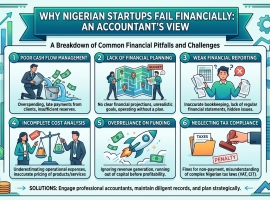
Why Nigerian Startups Fail Financially: An Accountant’s View
Print 🖨 PDF 📄 eBook 📱Why Nigerian Startups Fail Financially: An Accountant’s View Let me…
Regulatory Compliance in Nigeria: What Every Business Owner Needs to Know
Print 🖨 PDF 📄 eBook 📱Regulatory Compliance in Nigeria: What Every Business Owner Needs to…

Brand Citizenship: Why Nigerians Want Brands That ‘Do More’
Print 🖨 PDF 📄 eBook 📱Brand Citizenship: Why Nigerians Want Brands That ‘Do More’ Here…

There are no comments