


The Role of Auditors in Strengthening Investor Confidence in Nigeria

The Role of Auditors in Strengthening Investor Confidence in Nigeria
Let me ask you a question that every Nigerian company seeking investment must answer.
Why should an investor trust your financial statements?
You can say they are accurate. You can say you prepared them carefully. But without independent verification, your word is just that. Your word.
This is where auditors become essential.
In today’s ever-changing business ecosystem, auditors perform a critical function in fortifying investor confidence and building credibility within financial markets. For Nigerian companies seeking to attract both local and international investment, credible audit services are no longer optional. They are essential.
The relationship between auditors and investor confidence in Nigeria has become increasingly significant as the nation’s economy continues to evolve and integrate with global markets. Professional auditing enhances financial transparency, ensures regulatory compliance, and provides stakeholders with the assurance they need to make informed investment decisions.
This guide explores how audit professionals boost investor trust and why Nigerian businesses must prioritise quality auditing services.

Understanding the auditing profession
Before discussing the particular role auditors serve, let us clarify what auditing encompasses.
According to the American Institute of Certified Public Accountants (AICPA), auditing is defined as “the systematic process of objectively obtaining and evaluating evidence regarding assertions about economic actions and events to ascertain the degree of correspondence between those assertions and established criteria and communicating the results to interested users.”
In simple terms, auditing involves independent examination of financial statements and records to verify their accuracy, completeness, and compliance with accounting standards. This independent verification process serves as a cornerstone of financial integrity in modern business.
The auditor’s primary functions.
Professional auditors perform several critical functions that directly impact investor confidence. They conduct independent financial verification by examining financial statements without bias, providing objective assessments that stakeholders can trust. They perform compliance assessment by ensuring companies adhere to accounting standards, tax regulations, and industry-specific requirements. They identify financial irregularities, internal control weaknesses, and potential fraud before they escalate. Through their audit opinions, they provide assurance to investors, creditors, and regulators about financial statement reliability. And they contribute to stronger governance frameworks by promoting accountability and transparency.
For a broader perspective on governance, check out our corporate governance framework for Nigerian companies.
How auditors strengthen investor confidence in Nigeria
The Nigerian business landscape presents unique challenges and opportunities where auditors serve as vital trust-builders between companies and investors.
1. Enhancing financial transparency and accountability.
Transparency is the foundation upon which investor confidence is built. Independent auditors ensure that Nigerian companies present accurate financial information, free from manipulation or misrepresentation. This transparency is particularly crucial in Nigeria, where concerns about corporate governance have occasionally deterred foreign investment.
By scrutinising financial records, verifying transactions, and testing internal controls, auditors provide an independent assessment that investors can rely upon when making investment decisions.
Financial transparency facilitated by auditors helps Nigerian companies attract foreign direct investment by demonstrating financial integrity, access capital markets with credible financial statements, build reputation and brand value through consistent financial reporting, reduce information asymmetry between management and investors, and comply with Nigerian Exchange Group (NGX) listing requirements.
2. Detecting and preventing financial fraud.
Financial fraud remains a significant concern for investors worldwide, and Nigeria is no exception. Auditors act as the first line of defence against fraudulent activities.
Professional auditors employ sophisticated techniques to identify irregularities, including analytical procedures, substantive testing, and fraud risk assessments. Recent developments in audit technology, including data analytics and artificial intelligence, have enhanced auditors’ ability to detect unusual patterns and potential fraud indicators.
Key fraud prevention contributions by auditors include revenue recognition scrutiny ensuring sales are genuine and properly recorded, asset verification confirming physical existence and valuation of company assets, related party transaction review identifying potential conflicts of interest, internal control evaluation assessing the effectiveness of anti-fraud mechanisms, and management override detection identifying instances where executives circumvent controls.
3. Ensuring regulatory compliance.
Nigeria’s regulatory environment continues to evolve, with bodies like the Financial Reporting Council of Nigeria (FRCN) and the Securities and Exchange Commission (SEC) updating standards regularly.
Auditors help companies navigate this complex regulatory landscape by ensuring compliance with International Financial Reporting Standards (IFRS), mandatory for publicly listed companies in Nigeria. The Companies and Allied Matters Act (CAMA) 2020, Nigeria’s primary corporate legislation. Nigerian tax regulations including value-added tax and company income tax requirements. Industry-specific regulations such as Central Bank of Nigeria (CBN) guidelines for financial institutions. And anti-money laundering provisions critical for maintaining international business relationships.
4. Improving corporate governance standards.
Strong corporate governance is essential for investor confidence, and auditors play a pivotal role in strengthening governance frameworks.
In Nigeria, the implementation of the Nigerian Code of Corporate Governance has emphasised the importance of independent oversight. Auditors contribute to governance by providing independent assessment of management’s stewardship, communicating directly with audit committees and boards of directors, identifying governance weaknesses and recommending improvements, ensuring separation between management and oversight functions, and promoting ethical business practices and integrity.
The relationship between auditors and audit committees has become increasingly important, with Nigerian companies recognising that strong audit committee-auditor collaboration enhances overall governance quality.
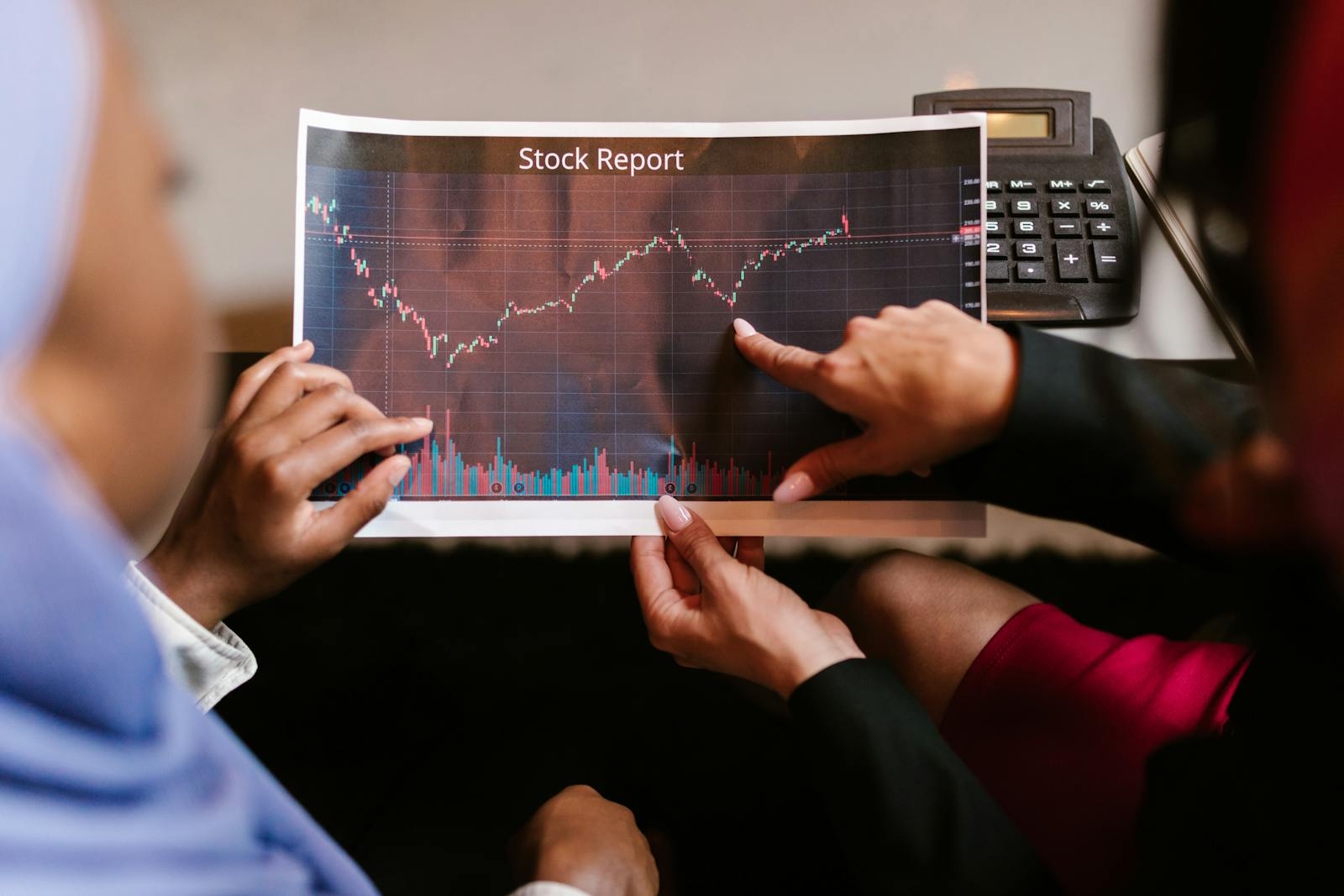
5. Facilitating access to capital markets.
For Nigerian companies seeking to raise capital through equity or debt offerings, audited financial statements are non-negotiable.
Investors, whether domestic or international, require assurance before committing capital. Audited financials provide this assurance by meeting listing requirements of the NGX, satisfying due diligence requirements of institutional investors, enabling accurate company valuation for IPOs and private placements, supporting credit assessments by banks and rating agencies, and facilitating cross-border investments by meeting international standards.
Several Nigerian companies have successfully raised capital in international markets, with quality audit reports playing a crucial role in investor confidence. Companies with clean audit opinions typically achieve better valuations and lower costs of capital.
For support with audit readiness, our audit readiness and preparation services for Nigerian companies can help.
Recent developments in Nigerian auditing (2025 to 2026)
The auditing profession in Nigeria continues to evolve in response to technological advancement, regulatory changes, and global best practices.
Technology integration in audit services.
Nigerian audit firms are increasingly adopting advanced technologies to enhance audit quality and efficiency. Data analytics tools allow comprehensive analysis of entire transaction populations rather than samples. Artificial intelligence helps identify patterns, anomalies, and risk indicators with greater accuracy. Some firms are exploring blockchain for transaction verification. Cloud-based audit platforms enable real-time collaboration and more efficient audit processes. And continuous auditing moves toward ongoing monitoring rather than periodic assessments.
Enhanced focus on sustainability and ESG reporting.
Environmental, Social, and Governance (ESG) factors have gained prominence globally, and Nigeria is following suit. The FRCN has introduced enhanced sustainability reporting guidelines, requiring auditors to verify ESG disclosures alongside financial statements, assess the reliability of sustainability metrics, evaluate companies’ climate-related financial risks, and review social impact reporting for accuracy.
This development is particularly significant for Nigerian companies seeking international investment, as ESG credentials increasingly influence investment decisions.
Strengthened professional standards.
The Institute of Chartered Accountants of Nigeria (ICAN) and the Association of National Accountants of Nigeria (ANAN) have implemented updated professional standards in line with international benchmarks. Improvements include enhanced audit quality monitoring and peer review processes, stricter independence requirements for auditors, mandatory continuing professional education for audit practitioners, improved ethical guidelines addressing contemporary challenges, and greater accountability mechanisms for audit failures.
Increased regulatory oversight.
The FRCN has intensified its oversight of audit firms, implementing more rigorous audit firm registration and renewal processes, enhanced quality assurance reviews of audit engagements, stronger enforcement actions against non-compliant firms, public reporting of audit quality indicators, and collaboration with international regulatory bodies.
Challenges facing auditors in Nigeria
Despite progress, Nigerian auditors face several challenges that can impact their effectiveness in building investor confidence.
Limited independence and client pressure.
Some Nigerian companies exert pressure on auditors to issue favourable opinions, compromising audit independence. This challenge is exacerbated when audit fees constitute a significant portion of an audit firm’s revenue, long-term client relationships create familiarity threats, management threatens to change auditors following disagreements, and economic pressures incentivise auditors to retain clients at any cost.
Addressing these independence concerns requires robust regulatory enforcement and strong professional ethics.
Inadequate resources and training.
Many smaller audit firms in Nigeria lack access to modern audit technology and tools, sufficient qualified personnel to handle complex engagements, resources for continuous professional development, and industry-specific expertise for specialised sectors.
This resource gap can result in audit quality variations across firms, potentially undermining investor confidence.
Regulatory and legal framework gaps.
While Nigeria’s regulatory framework has improved, gaps remain including inconsistent enforcement of audit quality standards, limited legal consequences for audit failures, slow judicial processes for addressing audit-related disputes, and insufficient protection for whistleblowers reporting audit irregularities.
Skills gap in emerging areas.
As business becomes more complex, auditors need expertise in information technology and cybersecurity auditing, cryptocurrency and digital asset verification, complex financial instruments valuation, and ESG and sustainability reporting assurance. Many Nigerian auditors require additional training to adequately address these emerging areas.
Why Nigerian companies need credible audit services
The importance of engaging reputable, credible audit firms cannot be overstated for Nigerian companies with growth ambitions.
Attracting foreign investment.
International investors conduct rigorous due diligence before investing in Nigerian companies. Credible audit services provide assurance that financial statements are reliable, demonstrate commitment to international standards, reduce perceived investment risk, facilitate cross-border transactions, and enable comparison with international peers.
Companies with audit reports from recognised, reputable firms typically find it easier to attract foreign capital.
Building long-term stakeholder trust.
Beyond immediate investor confidence, quality auditing builds lasting trust with customers who want to do business with financially stable companies, suppliers who need assurance of payment capability, employees who seek job security and confidence in their employer, communities who expect corporate accountability and transparency, and government which requires compliance and tax payment assurance.
Improving internal management and decision-making.
Quality audit processes do more than satisfy external stakeholders. They provide valuable insights for management including identifying operational inefficiencies and improvement opportunities, highlighting internal control weaknesses before they become critical, providing benchmarking information against industry standards, offering objective assessment of financial performance, and supporting strategic planning with reliable financial data.
Enhancing access to financing.
Banks and other lenders require audited financial statements when evaluating loan applications. Companies with credible audit reports qualify for larger credit facilities, secure more favourable interest rates, negotiate better repayment terms, build stronger banking relationships, and access diverse financing sources.
Meeting compliance and legal requirements.
For many Nigerian companies, particularly those in regulated sectors or with public accountability, auditing is legally mandated. Quality audit services ensure compliance with CAMA 2020 requirements, adherence to industry-specific regulations, avoidance of regulatory penalties and sanctions, protection of directors and officers from personal liability, and maintenance of good standing with regulatory authorities.
Selecting the right audit firm in Nigeria
Choosing an appropriate audit firm is a critical decision that directly impacts the value derived from the audit process.
Key considerations.
When selecting an audit firm, Nigerian companies should evaluate professional qualifications and registration. Ensure auditors are registered with ICAN or ANAN. Verify the firm’s registration with the FRCN. Check for any disciplinary actions or sanctions against the firm.
Evaluate industry expertise and experience. Look for firms with experience in your specific industry. Assess their track record with similar-sized companies. Evaluate their understanding of sector-specific challenges and regulations.
Assess quality control processes. Inquire about the firm’s quality assurance procedures. Ask about peer review results and quality ratings. Understand their approach to training and professional development.
Evaluate technology and methodology. Assess the audit tools and technologies the firm employs. Understand their audit methodology and approach. Evaluate their capability to handle your company’s complexity.
Ensure independence and objectivity. Verify compliance with independence requirements. Assess their reputation for professional integrity.
Evaluate communication and relationship. Assess their responsiveness and communication style. Assess compatibility with your management team. Consider their ability to provide advisory insights beyond compliance.
Compare fees across qualified firms focusing on value rather than lowest cost. Understand what services are included in the fee.

The future of auditing in Nigeria
The auditing profession in Nigeria is poised for significant transformation in the coming years.
Increased technology adoption.
Expect accelerated adoption of AI-powered audit analytics, robotic process automation for routine procedures, real-time continuous auditing systems, enhanced data visualization tools, and blockchain-based verification systems.
Greater integration with advisory services.
Auditors will increasingly provide strategic risk advisory alongside compliance audits, business process improvement recommendations, technology and cybersecurity assessments, ESG strategy and reporting advisory, and forensic accounting and fraud investigation services.
Enhanced collaboration and transparency.
The profession will see greater collaboration between regulators, audit firms, and companies, more transparent reporting of audit quality indicators, increased public disclosure of audit methodologies, stronger professional networks and knowledge sharing, and international partnerships between Nigerian and global audit firms.
Focus on audit quality over quantity.
Regulatory emphasis will shift toward quality metrics rather than compliance checklists, outcome-based regulation, root cause analysis of audit failures, rewarding high-quality audit practices, and addressing systemic issues affecting audit quality.
Key auditing terms every business leader should know
Audit. A systematic process of objectively obtaining and evaluating evidence to determine the degree of correspondence between assertions and established criteria.
Independent Financial Verification. Examination of financial statements without bias, providing objective assessments that stakeholders can trust.
Audit Opinion. A formal statement issued by an auditor expressing a conclusion about the accuracy and reliability of financial statements.
Materiality. The threshold at which errors or omissions in financial statements could influence the economic decisions of users.
Internal Control. Processes designed to provide reasonable assurance regarding achievement of objectives in operations, reporting, and compliance.
Fraud Detection. The identification of intentional misstatements, omissions, or irregularities in financial records.
Going Concern. The assumption that an entity will continue its operations for the foreseeable future, a key consideration in audit assessments.
Audit Committee. A subcommittee of the board of directors responsible for oversight of financial reporting and audit processes.
ESG Assurance. Independent verification of environmental, social, and governance disclosures alongside financial statements.
Continuous Auditing. Technology-enabled ongoing monitoring and assessment of financial transactions and controls.
Recommended reading from the Business Cardinal blog
If you want to strengthen your governance and audit framework, these related articles will help.
Building a Risk-Aware Culture in Your Organization – Strong audit functions start with a culture that values assurance. Read the Guide.
Board Evaluation: Why It Matters – Board Assessment Nigeria – Stronger Oversight – Strong board oversight is essential for audit quality. Read the Article.
Corporate Governance Lessons from Nigerian Bank Failures – Some failures involved poor audit quality. Learn from the past. Read the Guide.
Recommended services from Business Cardinal
Ready to strengthen investor confidence through credible audit services? These services are designed to help Nigerian companies build trust and attract investment.
Audit and Assurance Services for Nigerian Companies – Comprehensive statutory audit and assurance services.
Audit Readiness and Preparation Services for Nigerian Companies – Preparation and readiness assessment for external audits.
Audit Firm Selection and Evaluation Advisory – Guidance on selecting and evaluating audit firms.
ESG and Sustainability Reporting Assurance – Independent verification of ESG disclosures.
Internal Audit and Risk Assessment Services – Internal audit outsourcing and co-sourcing.
Where to go from here
Quality auditing is more than a compliance requirement. It is a strategic investment in your company’s credibility, growth, and long-term success.
Start by understanding your audit requirements. Then select the right audit firm. Then prepare thoroughly. Then use audit insights for improvement.
The companies that prioritise audit quality will be the ones that attract investment and build lasting trust.
Let’s work together
Is your company ready to strengthen investor confidence through credible, professional audit services?
At Business Cardinal, we understand that quality auditing is a strategic investment in your company’s credibility, growth, and long-term success. We bring deep industry expertise, cutting-edge audit technology, and an unwavering commitment to professional integrity.
Not theory. Not generic advice. Practical, actionable support tailored to your specific organisation.
Contact us today:
📧 Email: hello@businesscardinal.com
📞 Phone: +234 802 320 0801
📍 Address: 5, Ishola Bello Close, Off Iyalla Street, Alausa, Ikeja, Lagos, Nigeria
Contact Business Cardinal to discuss your audit needs.
Let us help you build lasting investor trust through credible, comprehensive audit services.
Business Cardinal – Your Partner in Audit Excellence
References
-
American Institute of Certified Public Accountants (AICPA) – What is an Audit?
-
Financial Reporting Council of Nigeria – Nigerian Code of Corporate Governance
-
Companies and Allied Matters Act (CAMA) – Federal Republic of Nigeria
-
Institute of Chartered Accountants of Nigeria (ICAN) – Professional Standards
-
International Financial Reporting Standards Foundation – IFRS Standards
-
Nigerian Exchange Group – Listing Requirements
-
Securities and Exchange Commission Nigeria – Rules and Regulations
-
Central Bank of Nigeria – Regulatory Framework
Related Post

$20 Billion Flows Home Every Year. So Why Isn’t Nigeria Getting Richer From It?
Print 🖨 PDF 📄 eBook 📱$20 Billion Flows Home Every Year. So Why Isn’t Nigeria…

Why Long-Term Strategy Is Making a Comeback in Africa
Print 🖨 PDF 📄 eBook 📱Why Long-Term Strategy Is Making a Comeback in Africa Let…

Tech-Enabled Feasibility Studies: Using Drones, Sensors & Remote Mapping
Print 🖨 PDF 📄 eBook 📱Tech-Enabled Feasibility Studies: Using Drones, Sensors & Remote Mapping Here…

There are no comments