


Rural Markets, Real Opportunity: Unlocking Growth Outside Urban Nigeria
Rural Markets, Real Opportunity: Unlocking Growth Outside Urban Nigeria
Here is a question that every brand chasing growth in Nigeria ought to be asking.
Are you overlooking nearly half of the country’s population?
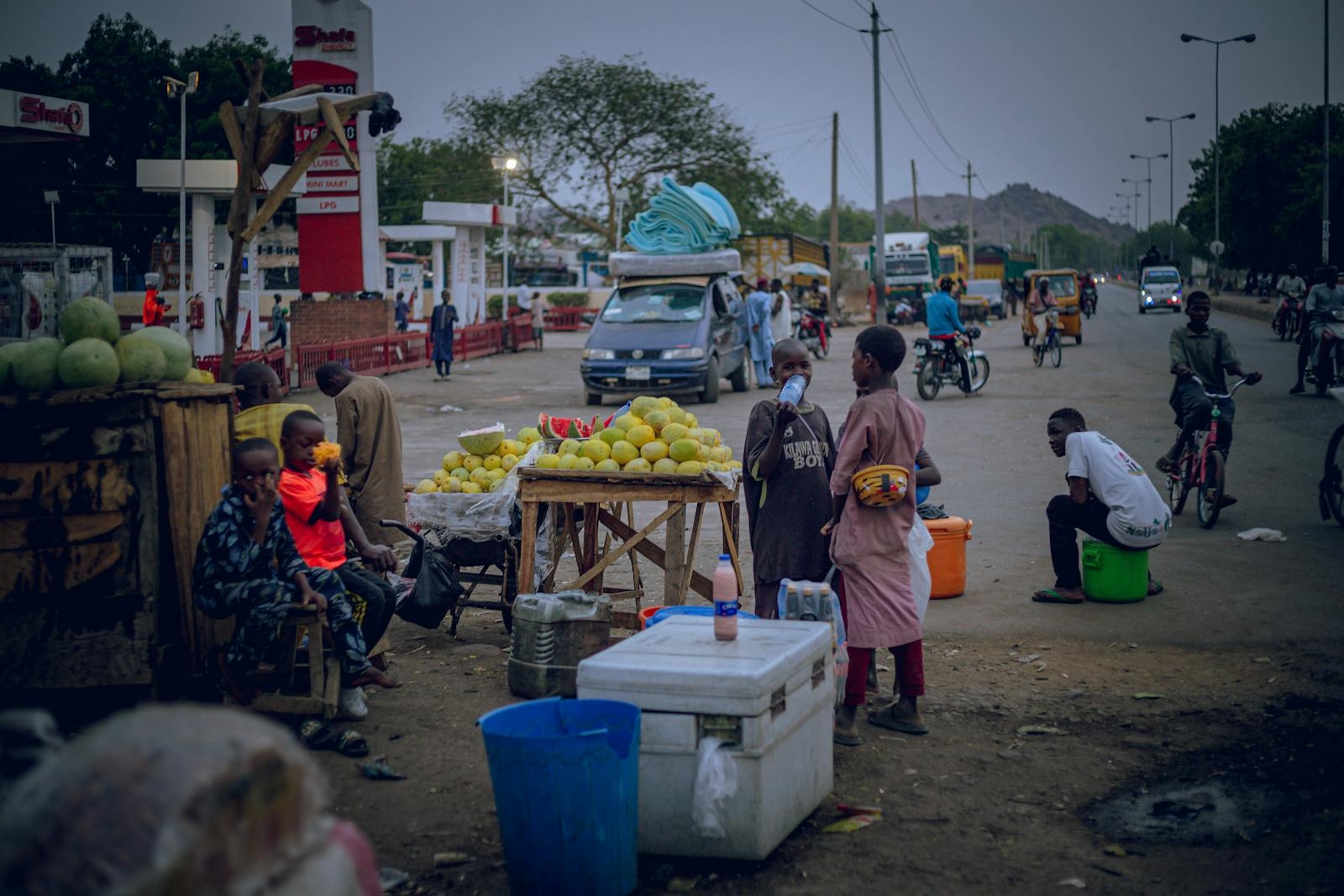
Nigeria’s economic story has long been written from Lagos, Abuja, and Port Harcourt. But beyond these city lights lies an untapped gold mine that smart businesses are starting to notice. Rural Nigeria, home to roughly 48% of the population, is not just a side market. It is a game-changing chance for brands willing to look past the usual spots.
As competition heats up in crowded cities, the question is no longer whether to reach rural shoppers, but how to do it well and keep doing it.
Who is the rural Nigerian consumer?
Before we jump into tactics, let us get clear on who rural Nigerian consumers really are. This group has changed a lot over the past ten years, shaped by better phone networks, new farming methods, and growing exposure to national trends.
Market size and buying power
Rural Nigeria has over 95 million people spread across many different landscapes and cultures. According to the National Bureau of Statistics (2024), rural areas add about 40% to Nigeria’s GDP, mainly through farming, small-scale trade, and new digital services. The total buying power in these regions tops ₦15 trillion each year, a number that keeps rising as roads improve and banking spreads.
Key numbers to know – Average rural household income runs between ₦250,000 and ₦600,000 yearly. Mobile phone use is at 67% (up from 52% in 2021). Banking access has reached 42% of rural adults. Young people aged 15-35 make up about 55% of rural residents.
What market segmentation means
According to the American Marketing Association , market segmentation is “the process of dividing a broad consumer or business market into sub-groups of consumers based on shared characteristics such as demographics, needs, priorities, common interests, and psychographic or behavioral criteria.”
In rural Nigeria, good market segmentation goes beyond basic age and income to include:
-
Farming activity and income cycles
-
Access to roads, power, and technology
-
Cultural and language preferences
-
How communities influence buying choices
How rural shoppers behave
Rural shoppers have their own habits that differ a lot from city folks. Getting these patterns right is key to entering the market.
Seasonal spending cycles – Rural buying power changes a lot with farming seasons. Right after harvest (usually October-December and March-May) sees more spending. Planting seasons need money for farm inputs. Smart brands time their product launches and deals to match these cycles.
Community-driven choices – Unlike the more individual style in cities, rural buying often involves family talks and community input. Word-of-mouth tips carry huge weight. Local leaders or well-respected figures can really help a brand catch on.
Value-aware but quality-minded – Many think rural shoppers only care about the lowest price. Not true. While value matters, rural Nigerians are getting picky about quality, especially for health items, children’s products, and things they use for work. They want goods that last and truly work.
Loyal when you earn it – Rural shoppers show strong brand loyalty once trust is built. But you have to earn it through steady quality, fair prices, and real effort.
The roadblocks and how to get past them
Getting into rural markets means facing some tough logistical facts. Knowing these hurdles is the first step to finding ways around them.
Roads and transport
Nigeria’s rural roads are a real bottleneck. According to the Federal Ministry of Works and Housing (2024), only 31% of rural roads are in good shape. About 40% are poor or impassable when it rains.
What this means for business – Shipping costs to rural areas can be 2-3 times higher than to cities. Products get damaged more often due to bad roads. Some places become impossible to reach in rainy seasons. Travel time adds 3-7 days compared to city deliveries.
Last-mile delivery puzzles
The “last mile” in rural Nigeria often stretches to the “last five miles” of tough ground. Old-school delivery models struggle with scattered shops, spread-out villages, and few cold storage options.
Fresh ideas that work – Hub-and-spoke models where companies set up rural depots in market towns, then use motorcycle riders to reach nearby villages. This cuts central shipping costs while creating local jobs.
Some brands are teaming up with bike and tricycle transport unions to tap into existing informal delivery networks. These partnerships give reliable last-mile delivery while helping local workers.
Mobile sales vans that visit rural towns on market days mix delivery with direct customer contact and teaching.
Phones and internet
The digital gap between city and rural Nigeria is closing but still there. However, this gap is as much a chance as a problem.
Where things stand (2024-2025) – Mobile phone use at 67% in rural areas. 3G reaches about 58% of rural folk. 4G now covers 32% of rural areas (up from 18% in 2022). Data costs are still 25-30% higher in rural areas due to network expenses.
The spread of mobile coverage, especially through MTN, Airtel, and Glo reaching underserved areas, has opened up new ways to engage online, sell via mobile, and teach customers.
Rural Market Entry & Distribution Strategy can help you map out the best approach for your business.
Smart ways to win in rural markets
Getting rural market entry right takes thoughtful planning. Several approaches have worked well across different fields.
The farming value chain path
Farming is still the heart of rural economies. Placing your brand within this chain gives a natural way in. This works great for banking, farm supplies, and everyday goods.
What works – Knowing crop cycles and timing products to match. Teaming up with farm extension workers who have community trust. Offering products that solve real farming problems. Teaching about money alongside product sales.
The market day method
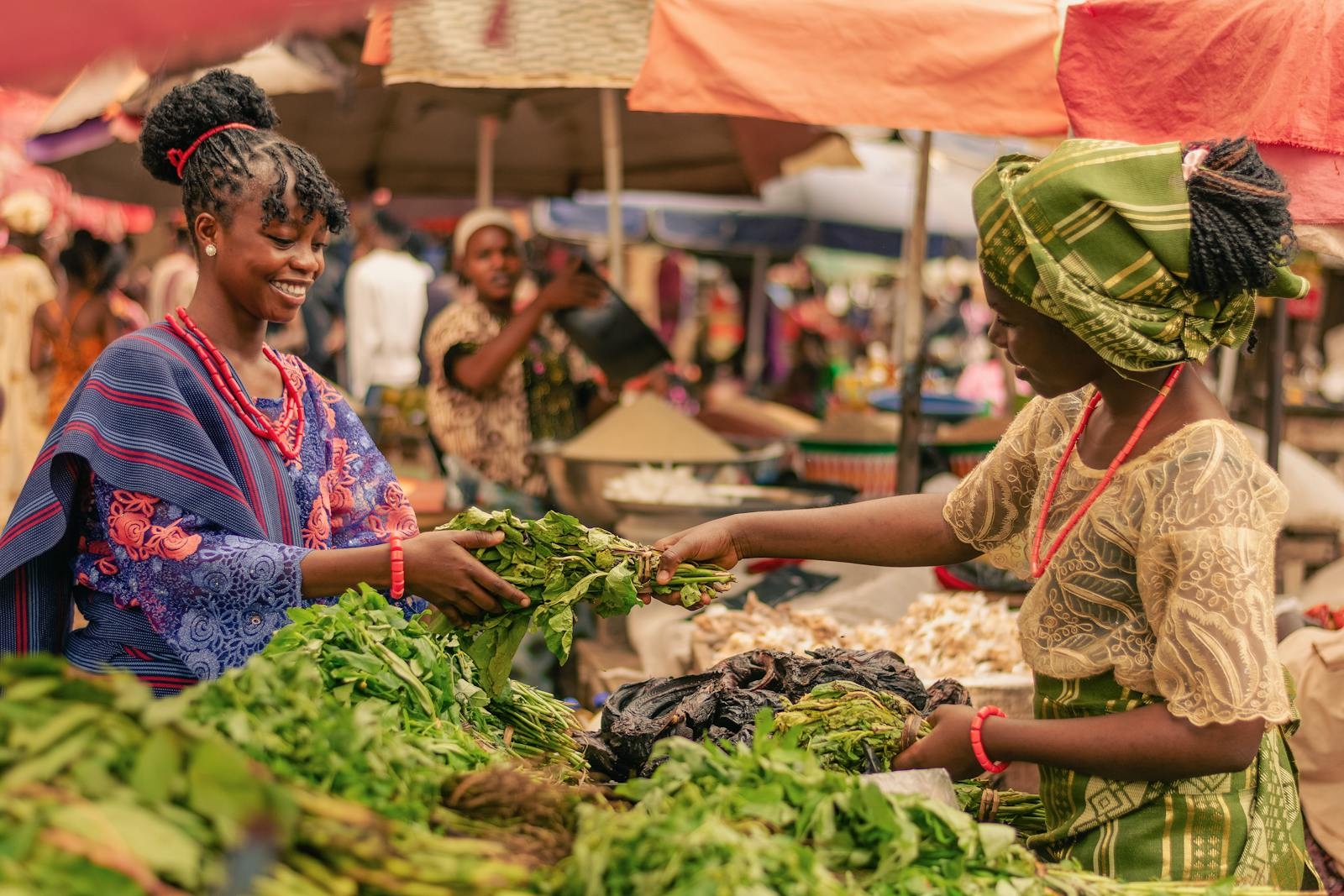
Rural market days are the social and economic heart of communities. They offer packed chances for brand visibility, direct sales, and customer contact.
How to do it – First, map out major markets, learn their schedules (usually weekly), and see how many people come. Big rural markets can draw 5,000-15,000 people on market days.
Second, build ties with market leaders, get good spots, and set up local partnerships. Market groups can help or block you based on how you treat them.
Third, show up regularly. Brands that pop in now and then are viewed with doubt. Steady presence shows you mean it.
Fourth, add value beyond just selling. Offer product demos, health checks (for drugs or everyday goods), or helpful info that benefits the town.
The local ambassador model
Hiring and backing local brand reps taps into how community-focused rural life works. This works great for products that need explaining, trust-building, or changes in habits.
How it works – Local reps should be respected town folks like teachers, health workers, successful farmers, or youth leaders who truly believe in your product. They act as a bridge between your brand and the community, offering cultural translation, trust transfer, and ongoing market tips.
Paying them – Commission for direct sales, salary plus bonuses for services, product stock with price flexibility, or training that boosts their standing in the community.
Team-ups with government and NGOs
Working with government efforts, non-profits, or world development groups gives trust, risk-sharing, and access to rural networks they already have.
Hot areas right now (2025) – Rural power projects as the Rural Electrification Agency spreads access, creating chances for appliance makers, solar firms, and tech providers to partner with government efforts.
Primary health programs where drug firms and health product makers can line up with clinic improvement efforts.
Farm extension services where input suppliers, gear makers, and agritech firms can reach small farmers.
Digital literacy efforts where tech firms can back government and NGO teaching programs while introducing their products to newly connected folks.
Making products fit and pricing them right
Rural markets rarely respond well to city products and plans. Smart brands put thought into fitting their offers to rural realities while keeping product quality.
Right-sizing and smart packaging
Rural buying habits favor smaller, more frequent buys due to cash flow and storage limits. Single-use and small packs meet these needs while keeping prices low.
What works – The small pack trend that started with shampoos and spices has spread to drinks, drugs, and even banking. Daily or weekly packs match income patterns while lowering the cost to try.
Products with packaging that can be reused for other things adds value and cuts waste, which matters in resource-aware towns.
Package design should show rural look and feel. Not cheap or simple, but images, colors, and messages that speak to rural life and hopes.
Pricing that makes sense
Setting prices in rural markets means balancing cost with quality. Price alone does not drive choice. The value they see, the link between cost and gain, is what matters.
Smart pricing tricks – Tying prices to familiar points helps rural shoppers judge value. If eggs or a loaf of bread costs ₦150, pricing your product at ₦200 gives a point of reference more real than abstract numbers.
Some firms offer seasonal price shifts or payment plans that match farming income cycles, making bigger buys possible when cash is flowing.
Bundling products that go together at a small discount pushes trying of new items while raising total sale value.
Pricing too low can signal poor quality. Studies show rural shoppers link very low prices with fake or poor products, especially for health and children’s goods.
Making benefits hit home
The same product may solve different problems in rural versus city settings. Good marketing spells out benefits that fit rural lives and hopes.
Examples – For phones: city ads push streaming shows in HD. Rural ads say “Video call your children studying in the city” or “Check crop prices before market day.”
For banking: city ads push easy online shopping payments. Rural ads say “Safe place to store harvest money” or “Send school fees without traveling to town.”
For health products: city ads push “Clinically proven formula.” Rural ads say “Keeps your family strong for farm work” or “Used in government hospitals.
Getting products where they need to go
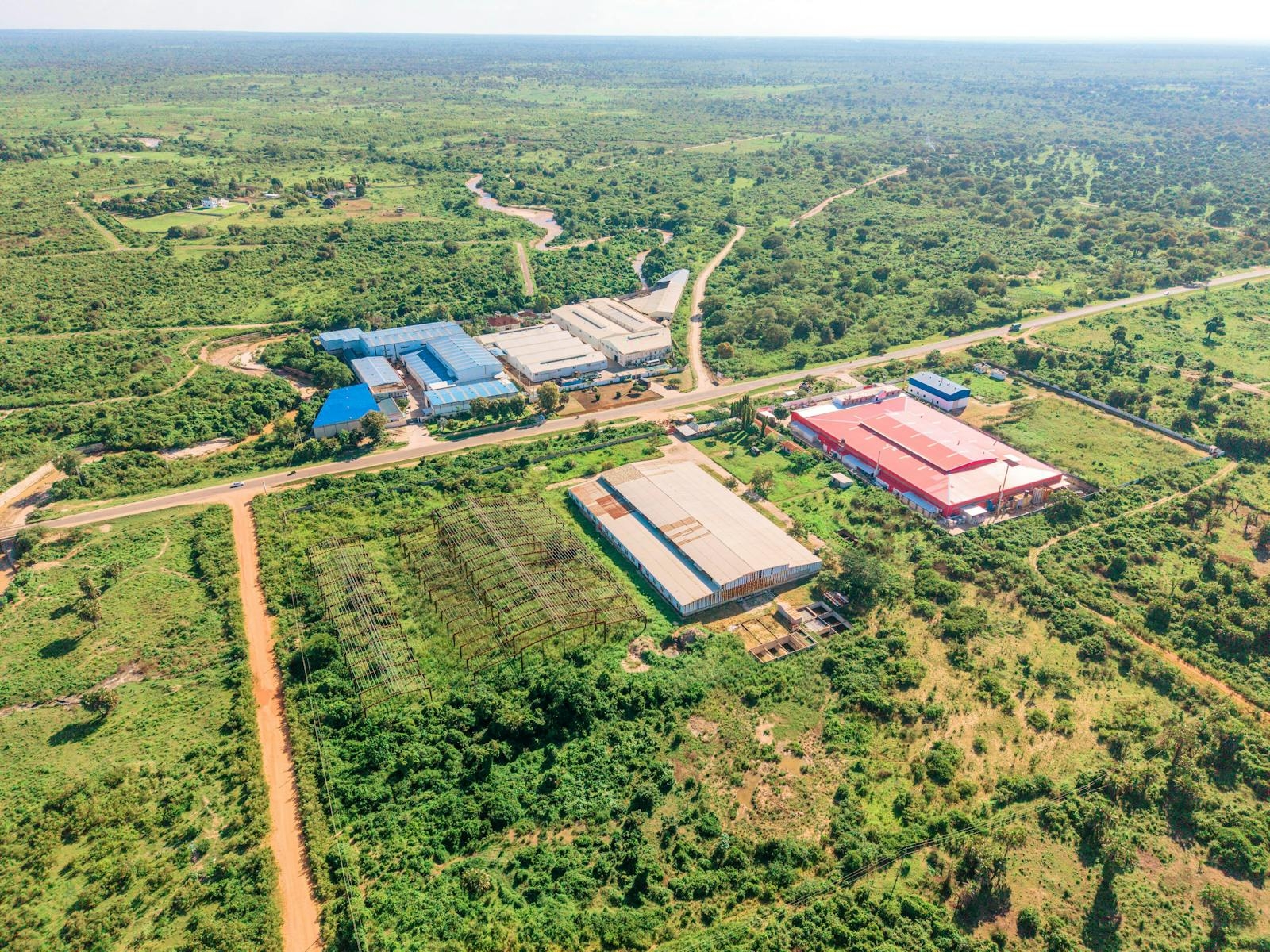
Lasting rural market presence needs strong delivery networks that balance cost with reach.
Working with rural shops
Rural shopkeepers (small provision stores and market stall owners) are key partners who need different handling than city stores.
What rural shops face – Very little cash to stock goods (often ₦50,000-₦200,000 total), many products with very thin profits, cash-only with little credit access, and personal ties with most of their customers.
How to help them – Offering 7-14 day credit terms for trusted shops lets them stock your products without cash strain. This needs careful credit checks but builds loyalty and market reach.
Regular visits that share product know-how, display tips, and business advice help shops do better while improving how products look and are suggested.
Providing branded shelves, coolers, or display items sets your products apart and creates informal “shops within shops.”
Reward programs that give certificates, branded goods, or bonus products for hitting sales targets push shops and create status within their community.
Tapping into informal delivery networks
Official delivery channels do not reach all rural areas. Smart brands tap into existing informal networks.
Who to work with – Transport unions and delivery co-ops. Nigeria has big informal transport networks moving goods and people. Teaming up with bike rider groups, commercial tricycle drivers, and mini-bus operators can solve last-mile problems.
Market women’s groups have smart delivery networks moving goods between markets. Wholesale deals with group leaders can quickly grow market reach.
Farm supply sellers have rural networks and trust. For products that go with theirs (banking, goods used by farming families), these sellers can become delivery partners.
Traveling traders who move between weekly markets often have loyal customer bases across many towns. Supplying these traders on credit with clear routes can grow reach without fixed shops.
Blending physical and digital
Forward-thinking firms are mixing physical delivery with digital order and tracking tools.
How it works – Shopkeepers and shoppers order via USSD, WhatsApp, or simple phone apps. Orders are grouped and filled through smart hub-based delivery. This cuts stock-outs by better guessing demand, allows smaller and more frequent deliveries matched to sales, gives data on what people want, cuts how much cash shops need tied up in stock, and can add mobile payments and credit systems.
Last-Mile Distribution & Logistics Solutions can help you set up these systems.
Real success stories
Case 1: Dangote Cement
The problem – Rural building needs a lot of cement, but delivery costs and shopkeeper cash limits slowed market reach.
What they did (2022-2024) – Set up 47 rural mini-depots in market towns across 18 states. Created a “Dangote Partners” program offering credit to trusted shopkeepers. Sent mobile sales vans visiting towns on market days. Trained rural masons on proper cement use, making them brand reps. Offered smaller 25kg bags along with standard 50kg.
What happened – Rural sales up 42% from 2022 to 2024. Rural shops stocking them grew from 1,200 to 4,800. Mason rep program reached 12,000 workers across rural areas. Brand preference in rural areas rose from 48% to 67%.
Key lesson – Masons influence cement buying. Turning them into trusted technical advisors created real word-of-mouth.
Case 2: Sterling Bank’s rural banking
The problem – Rural towns lacked banking access, slowing financial inclusion and the bank’s reach.
What they did (2023-2024) – Hired agents from trusted local shops (pharmacies, stores, farm supply sellers). Gave agents card readers and cash to work with. Made simple account products just for rural needs. Added mobile banking USSD for those without internet. Offered farm loans timed to planting and harvest cycles.
What happened – 342 agency spots set up in 84 rural LGAs. 127,000 new rural customers signed up. 78% of rural accounts still active after 12 months (vs. 34% industry average). Rural loan book hit ₦4.2 billion with 96.8% payback rate.
Key lesson – Picking agents who already had community trust and fixing real money needs, not pushing city products into rural areas.
Case 3: Chi Limited’s rural delivery twist
The problem – Few cold storage options and scattered shops made drink delivery to rural areas costly and slow.
What they did (2023-2025) – Made juice products that stay fresh without cold storage. Created a “Chi Connect” phone app for shops to order stock. Teamed up with bike transport groups for last-mile delivery. Put up solar-powered coolers in big rural markets. Made 250ml sizes that fit rural buying habits.
What happened – Rural sales up 56% from 2023 to 2024. Reach grew to 2,100 rural towns not served before. Cost per unit to deliver down 23% through smart routing. Rural brand awareness up from 31% to 58%.
Key lesson – Product and pack ideas that fit rural limits, not forcing city delivery models into rural areas.
A step-by-step plan
Phase 1: Learn and pick (Months 1-3) – Study available data on rural population, income levels, existing rivals, and roads. Visit potential target markets to see shops, shopper behavior, and who else is there. Talk to town leaders, shopkeepers, transport operators, and possible partners. Map out costs, sales, and timelines for different ways in. Spot political, safety, delivery, and reputation risks.
Phase 2: Test the plan (Months 4-6) – Pick 2-3 typical but reachable rural markets for testing. Team up with local delivery partners or transport providers. Bring on first set of shops (25-50). Make ads that fit local cultures in local languages. Set starting points for awareness, product availability, and sales.
Phase 3: Run and learn (Months 7-12) – Keep up regular delivery, ads, and shop support. Track sales, reach, awareness, and customer feedback each week. Adjust pricing, pack sizes, and messages based on what works. Write down hurdles, surprise costs, and what you tried. Spot success patterns and why they work.
Phase 4: Grow with care (Months 13-18) – Add 5-10 new markets based on what worked in pilots. Hire and train rural market experts and field teams. Set up delivery tracking, sales systems, and payment tools. Make formal deals with distributors, shops, and service providers. Step up brand building in new markets.
Phase 5: Scale and improve (Months 19+) – Roll out to target markets based on proven success steps. Streamline delivery, cut costs, lift profits. Add digital tools for ordering, tracking, and study. Keep adapting products and approaches based on new insights. Build brand as the top choice in target rural segments.
World Bank , rural development is key to inclusive growth in Nigeria, with agriculture and rural enterprises driving job creation and poverty reduction.
The bottom line
Rural Nigeria is one of Africa’s most exciting growth frontiers. With nearly half the country’s people, growing phone access, better roads, and rising hopes, rural markets offer chances that smart brands cannot afford to miss.
Winning takes more than just copying city plans. It needs real knowledge of rural life, true ties with communities, new delivery ideas, and patient spending on relationships and infrastructure.
The brands that will win in rural Nigeria are those that see these markets not as charity cases or afterthoughts, but as strategic priorities worthy of custom plans and steady work. The path will be bumpy, poor roads, scattered shops, trust gaps, and fake goods but the payoff for those who push through is big: loyal customer bases, less rivalry, spread out income streams, and a part in Nigeria’s next phase of growth that reaches everyone.
Suggested reading from our blog
If you want to strengthen your understanding of rural market opportunities, these related articles will help.
The Power of Rural Agents: Building Last-Mile Networks – How local partners can transform distribution.
Mobile Money and Rural Commerce: A Practical Guide – Leveraging digital payments in low-connectivity areas.
Agribusiness as a Rural Market Gateway – Using farming value chains to reach consumers.
Related services
Business Cardinal offers specialized services to help organizations succeed in rural markets:
-
Rural Market Entry & Distribution Strategy – Market assessment, channel mapping, and last-mile delivery design for rural Nigeria
-
Agricultural Value Chain & Agribusiness Advisory – Farmer outreach, input distribution, and rural consumer insights through agricultural partnerships
-
Last-Mile Distribution & Logistics Solutions – Hub-and-spoke models, transport union partnerships, and rural delivery network optimization
Reference Links
The following trusted sources were cited in this article:
-
American Marketing Association – Market segmentation definition
-
World Bank – Rural development and inclusive growth in Nigeria
-
Business Cardinal – Rural market strategy and distribution advisory services
Next steps
At Business Cardinal, we focus on helping businesses find their way through Nigeria’s complex rural market landscape. Our team blends deep local knowledge with careful research methods to deliver useful insights that drive rural market success.
Contact us today to talk about how we can support your rural market goals.
📧 Email: hello@businesscardinal.com
📞 Phone: +234 802 320 0801
📍 Address: 5, Ishola Bello Close, Off Iyalla Street, Alausa, Ikeja, Lagos, Nigeria
Related Post
Exit Interview Checklist in Nigeria
Print 🖨 PDF 📄 eBook 📱Exit Interview Checklist in Nigeria Introduction Business Depot Consulting establishes…

M&A Intelligence: What Drives Successful Acquisitions in Nigeria
Print 🖨 PDF 📄 eBook 📱M&A Intelligence: What Drives Successful Acquisitions in Nigeria Nigeria’s mergers…

Board Evaluation
Print 🖨 PDF 📄 eBook 📱CONDUCTING BOARD EVALUATION Board Evaluation refers to the method(s), processes…

There are no comments