


Importance of Enterprise Risk Management (ERM) in Nigerian Companies

Importance of Enterprise Risk Management (ERM) in Nigerian Companies
Remember when risk management meant a few spreadsheets and an annual audit?
Those days are gone.
For Nigerian companies navigating foreign exchange volatility, regulatory tightening, inflation, and emerging cyber threats, a structured Enterprise Risk Management framework has become essential. Not optional. Not nice to have. Essential.
In 2025 and 2026, business risk in Nigeria has intensified across every sector. Tougher regulatory oversight from the CBN, SEC, and NAICOM is changing the game.
Let me walk you through why building organizational resilience through ERM is now both a strategic and regulatory imperative for every Nigerian enterprise.
What is Enterprise Risk Management?
Before we go further, let us get the definition straight.
The most widely cited and internationally accepted definition comes from the Committee of Sponsoring Organizations of the Treadway Commission (COSO).
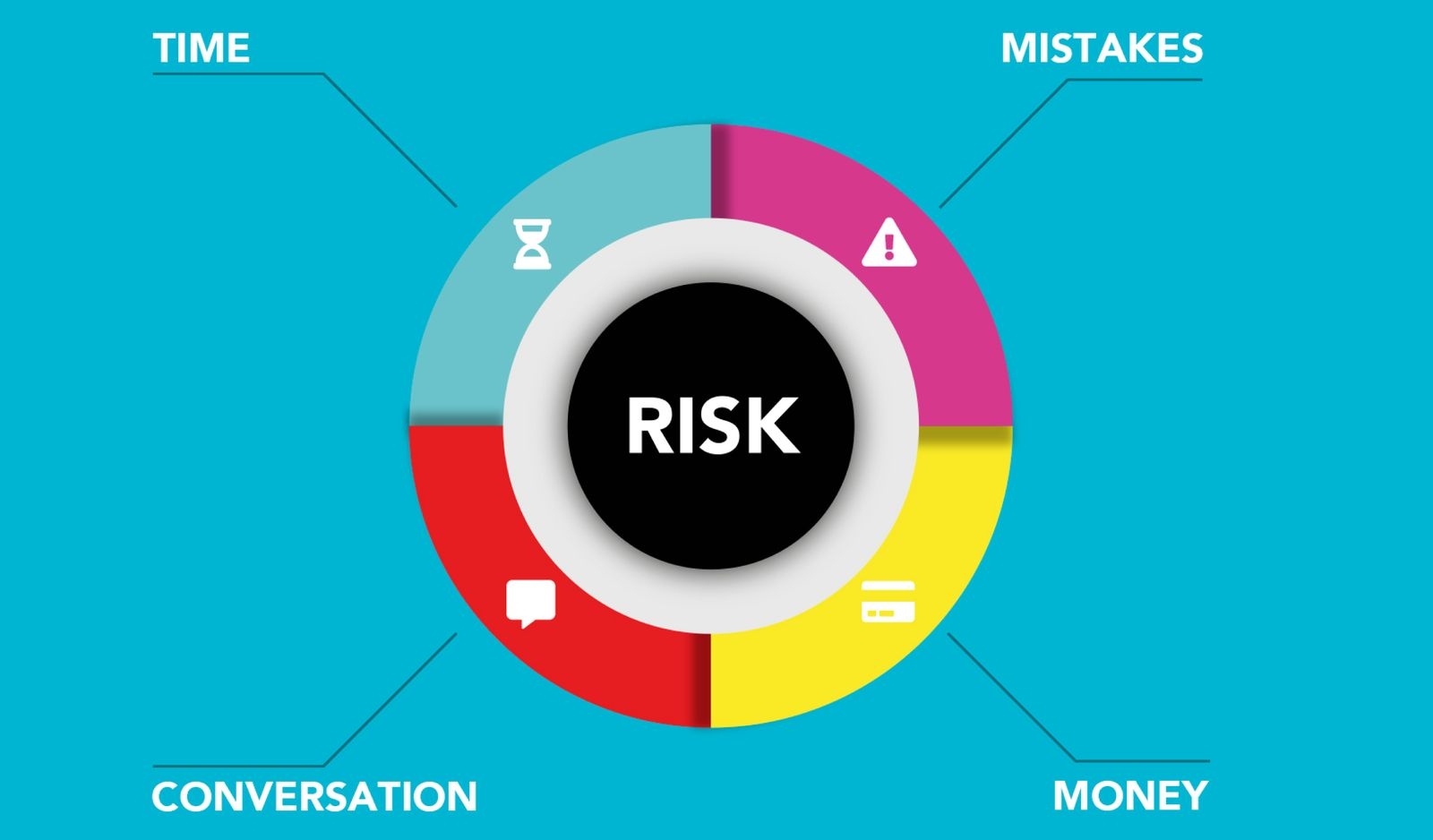
According to COSO , Enterprise Risk Management is a process, effected by an entity’s board of directors, management and other personnel, applied in strategy setting and across the enterprise, designed to identify potential events that may affect the entity, and manage risk to be within its risk appetite, to provide reasonable assurance regarding the achievement of entity objectives.
In plain English? ERM moves beyond siloed, department-by-department risk management. It integrates risk identification, assessment, and response into the organization’s overall strategy. It creates a unified, holistic view of risk across every function. From finance and operations to compliance and technology.
For organizations looking to implement ERM, ERM framework design and implementation can help you build a system that works.
Why ERM is critical for Nigerian companies
Nigeria’s business environment presents a unique and demanding combination of macroeconomic, regulatory, and operational risks.
According to a Vanguard report on Kreston Pedabo’s findings from February 2026, regulators are no longer willing to accept fragmented or informal risk practices. Organizations are increasingly expected to demonstrate that ERM frameworks are fully integrated into governance structures and everyday decision-making.
For Nigerian businesses, the consequences of inadequate risk management extend well beyond regulatory sanctions. Financial losses. Reputational damage. Loss of investor confidence. In the most serious cases, business failure.
Companies that invest in robust ERM frameworks are better positioned to anticipate risks, seize opportunities, and maintain stakeholder trust in uncertain times.
As reported by BusinessDay , the pace of regulatory change has accelerated significantly, with compliance expectations rising across all sectors.
The Nigerian regulatory landscape
The regulatory environment governing risk management in Nigeria has undergone significant changes.
Securities and Exchange Commission (SEC) — mandatory ERM for capital market operators
In June 2024, the SEC issued a directive requiring all Capital Market Operators to implement an ERM framework conforming to international standards including COSO ERM, ISO 31000, and FATF Recommendations. According to the SEC Nigeria circular , every CMO must establish a risk governance structure with clearly defined roles, submit an annual Risk Profile to the Commission by 31 January each year, and report emerging threats whenever significant business changes occur.
Central Bank of Nigeria (CBN) — risk-based supervision and bank recapitalisation
The CBN has adopted a risk-based supervision model placing direct responsibility for risk oversight on boards and senior management. Banks must maintain comprehensive ERM frameworks covering credit, market, liquidity, operational, and cyber risks.
The CBN’s bank recapitalisation exercise, concluding in March 2026, has pushed banks to raise minimum capital to ₦500 billion for international banks, ₦200 billion for national banks, and ₦50 billion for regional banks. According to BusinessDay , this drive directly intersects with ERM governance requirements.
National Insurance Commission (NAICOM) — risk-based framework
NAICOM has adopted a risk-based regulatory framework requiring insurance companies to demonstrate enterprise-wide risk management capabilities, including clearly articulated risk appetite statements, board-level accountability, and continuous monitoring and reporting.
Investments and Securities Act 2025
President Bola Tinubu assented to the Investments and Securities Act 2025, which repeals the ISA 2007 and introduces updated governance and risk management expectations for all capital market participants. The Act strengthens the SEC’s oversight powers and elevates enterprise-wide risk management as a core element of good corporate governance.

Key components of an effective ERM framework
Whether guided by COSO ERM 2017 or ISO 31000, all effective ERM frameworks share common structural components. For Nigerian companies, these must be tailored to the local operating environment while meeting international standards.
Risk governance structure. The board of directors must take ownership of risk oversight, with a dedicated Risk Management Committee or Audit and Risk Committee having clearly defined terms of reference. Regulatory expectations across CBN, SEC, and NAICOM all emphasize board accountability.
Risk appetite and risk tolerance. Every organization must define how much risk it is willing to accept in pursuit of its strategic objectives. These statements must be board-approved, clearly documented, and communicated throughout the organization.
Risk identification and assessment. A systematic process must identify risks across all categories: strategic, financial, operational, compliance, reputational, and emerging risks such as cybersecurity and AI-related threats.
Risk response strategies. For each significant risk, management must determine the appropriate response: avoidance, reduction, sharing, or acceptance.
Internal controls and monitoring. Continuous monitoring through key risk indicators, management dashboards, and internal audit reviews ensures the ERM framework remains active and responsive.
Risk culture. No ERM framework can succeed without a strong risk culture. This means fostering an environment where every employee understands risk and feels empowered to raise concerns.
The NC State ERM Initiative provides extensive resources on implementing COSO’s ERM framework in practice.
For a deeper look at building risk culture, read building a strong risk culture in Nigerian organizations .
Major business risks facing Nigerian companies in 2026
Understanding the specific risk landscape is essential for designing a relevant ERM framework.
Macroeconomic and foreign exchange risk. Nigeria’s economy continues to face foreign exchange pressures, high inflation, and interest rate volatility. These directly affect revenue, cost of goods, import costs, debt servicing, and investor returns.
Regulatory and compliance risk. The rapid pace of regulatory change across the CBN, SEC, NAICOM, FRC, and the new Nigeria Tax Act 2025 creates significant compliance risks.
Cybersecurity and digital risk. Cyber threats represent one of the fastest-growing risk categories. As businesses digitalise, the attack surface expands. The CBN’s Risk-Based Cyber-Security Framework makes cybersecurity risk management a regulatory requirement for financial institutions.
AI and technology risk. The Kreston Pedabo report specifically flagged AI-related risks including data privacy, algorithmic bias, transparency, ethical use, and third-party reliance as an emerging priority.
ESG and sustainability risk. ESG expectations are rising among investors, lenders, and development finance institutions. COSO has issued guidance on integrating ESG risks into ERM frameworks.
Operational and reputational risk. Supply chain disruptions, power infrastructure challenges, logistics complexities, and talent retention issues remain persistent operational risks.
The ACCA Global provides detailed guidance on applying the COSO ERM framework to these risk categories.
Practical steps to implement ERM in your organization
Understanding ERM in theory is only the beginning. Here is a practical roadmap.
Step 1 — Secure board and executive commitment. ERM implementation begins at the top. The board must formally endorse ERM as a strategic priority and allocate adequate resources.
Step 2 — Select and adopt a recognised framework. Choose an internationally recognised ERM framework appropriate to your sector and size. COSO ERM Framework (2017 edition) and ISO 31000:2018 are the most widely used.
Step 3 — Conduct an enterprise-wide risk assessment. Facilitate structured risk identification workshops across all business units. Develop a comprehensive risk register and risk heat map.
Step 4 — Define risk appetite and establish risk limits. Work with the board to articulate a formal risk appetite statement. Define specific risk tolerance limits for major risk categories.
Step 5 — Design and implement risk responses and controls. For each prioritised risk, define the appropriate response strategy and design specific controls or action plans.
Step 6 — Build a continuous monitoring and reporting system. Establish key risk indicators that provide early warning signals when risks approach tolerance thresholds.
Step 7 — Invest in risk culture and capacity building. Provide structured ERM training to boards, senior management, and key staff. The Association of Enterprise Risk Management Professionals (AERMP) offers professional development programmes that build ERM capacity within Nigerian organisations.
The business case for ERM: beyond compliance
Compliance with regulatory requirements is a compelling reason to invest in ERM. But the business case extends well beyond ticking regulatory boxes.
Better strategic decision-making. When risk information is integrated into strategy-setting and performance management, decisions are made with a clearer understanding of uncertainty.
Access to capital and investment. Investors, lenders, and development finance institutions are increasingly requiring evidence of formal ERM frameworks before committing capital.
Fraud prevention and reduced financial losses. Strong internal controls and risk monitoring are the first line of defence against fraud and financial mismanagement.
NGO and donor funding eligibility. For non-governmental organisations, donors are raising expectations for formal risk management processes.
Operational efficiency. The process of identifying and assessing risks frequently reveals operational inefficiencies that, when addressed, improve productivity and reduce costs.

Common ERM implementation challenges in Nigeria
Despite the clear benefits, many Nigerian organisations encounter significant obstacles.
Limited ERM expertise and awareness. A shortage of qualified ERM professionals and limited board-level familiarity with risk management concepts remains a challenge.
ERM treated as a compliance exercise. Many organisations implement ERM frameworks primarily to satisfy regulators, resulting in static documentation that does not inform decision-making.
Weak risk culture. Where tone from the top is absent or unconvincing, risk awareness fails to permeate the organisation.
Inadequate data and information systems. Effective risk monitoring depends on reliable, timely data. Many Nigerian companies lack the information management systems needed.
Resource constraints in smaller companies. For smaller companies, dedicating adequate resources to ERM is challenging. A proportionate, risk-focused approach is more sustainable.
The bottom line
Enterprise Risk Management is no longer a luxury reserved for multinational corporations.
For Nigerian companies navigating foreign exchange volatility, regulatory tightening, inflation, and emerging cyber threats, a structured ERM framework has become a fundamental pillar of sustainable business strategy.
The regulatory landscape has changed. The CBN, SEC, and NAICOM are demanding more. Investors are demanding more. The operating environment is more complex than ever.
Companies that invest in robust ERM frameworks are better positioned to anticipate risks, seize opportunities, and maintain stakeholder trust. Those that do not face financial losses, reputational damage, and potentially business failure.
The choice is clear. Build resilience through ERM. Or get left behind.
Suggested reading from our blog
If you want to strengthen your understanding of ERM in Nigeria, these related articles will help.
Building a Strong Risk Culture in Nigerian Organizations – How to embed risk awareness throughout your company.
Strategic Risk Management for Nigerian Executives – Integrating ERM with business strategy.
Compliance and Regulatory Risk in Nigeria 2026 – Navigating the changing regulatory landscape.
Related services
We offer specialized services to help Nigerian companies build effective ERM frameworks:
ERM Framework Design and Implementation – COSO and ISO 31000 aligned frameworks tailored to your organization.
ERM Training and Capacity Building – Board and executive training, risk culture development, and professional certification support.
Reference Links
The following trusted sources were cited in this article:
COSO – Enterprise Risk Management Framework – Internationally accepted ERM definition and guidance.
SEC Nigeria – ERM Implementation Circular – Mandatory ERM requirements for Capital Market Operators.
Vanguard Nigeria – Kreston Pedabo ERM Report – Regulatory trends and DAPM framework.
BusinessDay – Regulation pushes Nigerian firms to boost risk management – Regulatory landscape analysis.
BusinessDay – Banks that have met CBN capital rules – Banking sector recapitalisation and ERM.
Next steps
We provide ERM advisory, framework design, and capacity building to help Nigerian companies build resilience and meet regulatory requirements.
Contact us today to discuss how we can support your ERM journey.
📧 Email: hello@businesscardinal.com
📞 Phone: +234 802 320 0801
📍 Address: 5, Ishola Bello Close, Off Iyalla Street, Alausa, Ikeja, Lagos, Nigeria
Related Post
A Beginner’s Guide to VAT in Nigeria
Print 🖨 PDF 📄 eBook 📱A Beginner’s Guide to VAT in Nigeria Get Started Call-to-action…

ICFR Compliance: What Public Interest Entities in Nigeria Must Do in 2026
Print 🖨 PDF 📄 eBook 📱ICFR Compliance: What Public Interest Entities in Nigeria Must Do…

How Nigerian Companies Can Optimise Costs Without Mass Layoffs
Print 🖨 PDF 📄 eBook 📱How Nigerian Companies Can Optimise Costs Without Mass Layoffs The…

There are no comments