


Marketing to Nigeria’s Silent Majority: Insights from Non-Digital Consumers

Marketing to Nigeria’s Silent Majority: Insights from Non-Digital Consumers
Every brand chases the same customer.
Young. Urban. Smartphone in hand. Scrolling Instagram. Clicking ads. Buying online.
But here is what most brands miss. That customer is not the majority. Not even close.
Sixty to seventy percent of Nigerians live outside the digital economy. Over 80 million people in rural areas where internet penetration is below 30 percent. Market traders. Artisans. Commercial drivers. Older adults who grew up without technology.
They do not show up in your click-through rates. They are invisible in your analytics. But they control enormous purchasing power.
Understanding and reaching these non-digital consumers is not just good business. It is essential for any brand seeking genuine national penetration in Africa’s largest economy.
Let me walk you through who these consumers are, how to reach them, and what strategies actually work.
Who are Nigeria’s non-digital consumers?
Before diving into strategies, let us understand who we are talking about.
Nigeria’s non-digital majority is not a monolithic group. It is diverse segments united by limited internet access, traditional shopping habits, and community-centered decision-making.
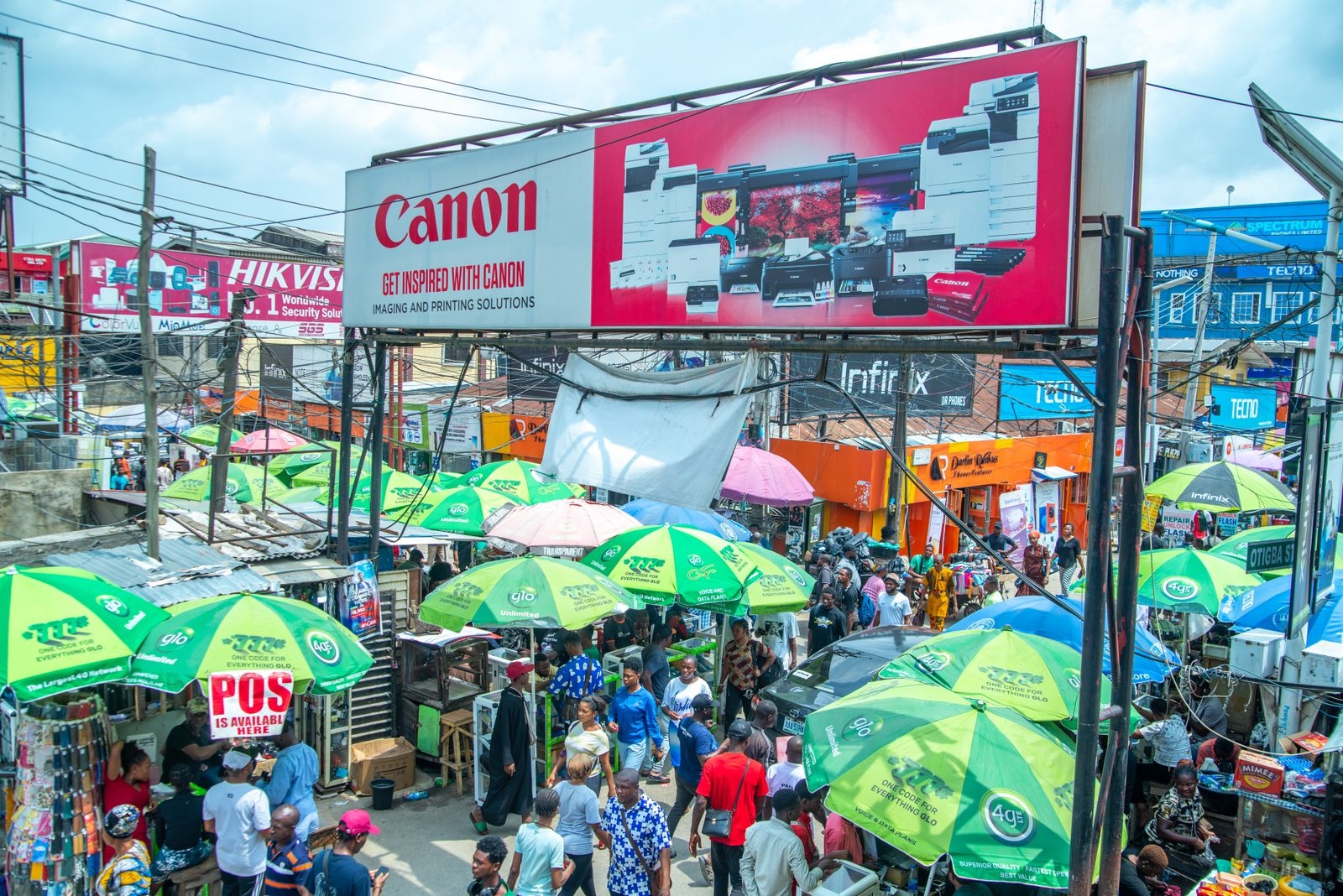
Rural communities. Over 80 million Nigerians live in rural areas where internet penetration remains below 30 percent. These consumers rely on local markets, traveling merchants, and community recommendations for product discovery.
Informal economy workers. Market traders, artisans, commercial drivers, and street vendors conduct business primarily through cash transactions and face-to-face interactions. Despite significant income generation, their purchasing patterns remain offline.
Older demographic groups. Adults aged 45 and above grew up without digital technology. They maintain preferences for traditional shopping experiences, personal interactions, and tangible product evaluation before purchase.
Low-income urban residents. City dwellers who lack smartphones or reliable internet access due to economic constraints yet participate actively in consumer markets through alternative channels.
According to the National Bureau of Statistics , approximately 36 percent of Nigerian households have internet access, meaning nearly two-thirds of the population remains offline for most purposes.

Key characteristics and behaviors
Understanding behavioral patterns reveals opportunities often missed by digital-first strategies.
Trust through community. Purchase decisions are heavily influenced by family recommendations, community leaders, religious figures, and trusted local retailers. Word-of-mouth marketing carries exponentially more weight than any advertisement.
Cash-dominant transactions. Despite mobile money growth, the majority of transactions remain cash-based. Payment flexibility and credit arrangements with known vendors are valued over convenience.
Sensory shopping preferences. These consumers prioritize the ability to touch, smell, taste, and physically examine products before purchase. A digital experience cannot replicate this fundamental need.
Media consumption patterns. Radio remains the primary mass media channel. Television follows in urban areas. Community gatherings, religious institutions, and market days serve as crucial information exchange points.
Traditional marketing channels that still deliver
While digital marketing dominates industry conversations, traditional channels continue to deliver exceptional ROI when targeting Nigeria’s non-digital majority.
Radio: the unrivaled mass medium
Radio maintains unparalleled reach across Nigeria. It penetrates communities regardless of literacy levels, electricity availability, or economic status.
Local language broadcasting. Nigeria’s linguistic diversity demands localized content. Radio stations broadcasting in Yoruba, Igbo, Hausa, Pidgin English, and numerous regional languages create intimate connections with listeners.
Strategic timing. Morning drive-time from 6 to 9 AM and evening slots from 5 to 8 PM capture audiences during commutes and evening routines. Market days require special programming considerations in rural areas.
Sponsored programming. Rather than simple spot advertisements, successful brands sponsor entire programs. Agricultural advice shows. Religious content. Local news segments. Entertainment programs. This creates sustained brand presence.
Call-in engagement. Interactive radio programs with product giveaways and listener participation create memorable brand experiences that extend through community word-of-mouth networks.
Television in semi-urban and urban areas
Television serves as an aspirational medium, particularly effective for products targeting upwardly mobile consumers.
Prime-time investment. Evening viewing between 7 and 10 PM captures family audiences. Nollywood movies, local news, and popular entertainment shows offer high-engagement environments.
Local content integration. Product placement in popular Nigerian TV dramas and movies creates organic brand exposure that feels authentic rather than intrusive.
Visual storytelling. Television’s visual medium allows demonstration of product benefits, particularly valuable for items requiring explanation or those solving specific problems.
Outdoor advertising and environmental branding
Nigeria’s vibrant outdoor advertising landscape offers unique opportunities for persistent brand presence.
Strategic billboard placement. High-traffic corridors, market approaches, motor parks, and religious centers see consistent daily traffic. Billboards generate repeated impressions over extended periods.
Wall murals and painted signage. In communities where formal billboards are scarce, branded wall paintings on residential and commercial buildings create localized brand presence. These murals often become neighborhood landmarks.
Vehicle branding. Branded commercial vehicles, buses, trucks, and tricycles serve as mobile billboards while also suggesting business success and reliability.
Community-based marketing strategies
The fabric of Nigerian society remains tightly woven around community structures. Community-based marketing is exceptionally effective.
Market activation and product demonstrations
Nigerian markets serve as commercial hubs and social centers, making them ideal for direct consumer engagement.
Strategic market selection. Focus on major market days in target communities. Research shows that rotating market cycles, every 4 to 5 days in many areas, concentrate purchasing power and foot traffic.
Live product demonstrations. Cooking demonstrations for food products. Performance tests for household items. Before-after showcases for personal care products. These attract crowds and generate organic audience growth.
Sampling programs. Generous product sampling allows sensory evaluation, a critical decision factor. Samples should be substantial enough to demonstrate actual value, not mere tastes.
Immediate purchase incentives. Limited-time offers available only during the activation create urgency. Bundle deals and discount structures resonate strongly with market shoppers.
Leveraging community influencers
Nigeria’s community structure creates organic influence networks that brands can authentically tap into.
Traditional leaders. Engagement with village heads, community chiefs, and traditional rulers opens doors to entire communities. Their endorsement carries weight accumulated over generations.
Religious leaders. Pastors and imams wield significant influence over purchasing decisions, particularly for products related to health and family welfare. Partnerships must be authentic and aligned with religious values.
Market association leaders. Every major market has organized trader associations with respected leaders. These leaders control access to vendors and can facilitate market-wide promotions.
Local celebrities. Community-level celebrities, successful business owners, popular teachers, and respected elders serve as relatable role models whose endorsements feel achievable.
Event sponsorships and community engagement
Community events provide concentrated access to target audiences in contexts of positive association.
Traditional festivals. Annual cultural celebrations draw entire communities and neighboring areas. Brand sponsorship through provision of branded merchandise or prize donations creates lasting positive associations.
Religious celebrations. Sponsoring aspects of Christmas, Eid, Easter, or other religious observances demonstrates cultural understanding. Support should enhance rather than commercialize sacred occasions.
Sports tournaments. Local football tournaments, traditional sports competitions, and youth athletics programs generate passionate engagement. Brand visibility through team sponsorship builds goodwill.
Educational support. School renovations, scholarship programs, and educational material donations position brands as community partners invested in future generations.
For a deeper look at community engagement strategies, read grassroots marketing for Nigerian brands .
The power of interpersonal communication
In markets where trust is paramount and information flow follows relationship networks, interpersonal communication strategies deliver results that no mass media campaign can match.
Direct selling and personal representation
Face-to-face selling aligns perfectly with Nigerian preferences for relationship-based commerce.
Door-to-door programs. Well-trained brand ambassadors visiting households create personal connections impossible through other channels. Success requires proper identification, respectful approach, and genuine product knowledge.
Kiosk and stand presence. Permanent or semi-permanent brand stands in markets, outside churches and mosques, near schools, and in residential neighborhoods provide consistent touchpoints.
Mobile sales teams. Vehicle-mounted selling units traveling through communities combine visual impact with personal service. These teams can reach remote areas where product availability is otherwise limited.
Brand ambassadors and street teams
Strategic deployment of human representatives extends brand presence far beyond what traditional advertising can achieve.
According to Marketing Schools , Grassroots Brand Ambassadors are individuals recruited from within target communities who represent brands through authentic, community-level engagement, leveraging their local knowledge, relationships, and cultural fluency to build brand awareness among peers.
Recruitment from target communities brings inherent trust and cultural understanding. Comprehensive training transforms ambassadors into credible representatives. Performance incentives motivate sustained excellence.
Product packaging for non-digital markets
In environments where consumers cannot research products online, packaging serves as the primary communication tool at the point of purchase.
Clear benefit communication. Packaging must instantly communicate the core product benefit through imagery and text. Complex features matter less than obvious value. “Whiter clothes.” “Stronger bones.” “Longer-lasting freshness.”
Vernacular language integration. Integrating local languages in headlines and key benefit statements dramatically improves comprehension and connection.
Visual literacy considerations. Many non-digital consumers have limited formal education. Packaging should use clear imagery showing product use and benefits rather than relying solely on text.
Durability for market conditions. Packaging must withstand the realities of Nigerian distribution. Hot warehouses. Humid market stalls. Frequent handling. Dusty transportation.
Size and affordability options. Single-use sachets, small-volume packages, and entry-level sizes remove purchase barriers for price-sensitive consumers.
Distribution strategies for maximum reach
The most brilliant marketing strategy fails if products are not accessible where non-digital consumers naturally shop.
Multi-tiered distribution networks
Nigeria’s fragmented retail landscape requires distribution strategies that reach from major urban centers to remote rural communities.
Master distributors and regional wholesalers. Partner with established distributors who have existing relationships and logistics infrastructure in target regions.
Sub-distributors and local wholesalers. Second-tier partners extend reach into secondary cities and large towns where master distributors lack presence.
Open market traders. The backbone of Nigerian retail, market stalls and shops represent the primary purchase point for most consumers.
Provision stores and corner shops. Neighborhood retailers in residential areas provide convenient access for daily consumables.
Managing stock availability
Consistent product availability builds brand reliability and prevents lost sales.
Demand forecasting by location. Different communities have varying consumption patterns tied to market days, paydays, festivals, and agricultural cycles.
Rapid restocking systems. Efficient logistics ensuring quick replenishment when stock runs low prevents “out of stock” signs that damage brand perception.
Distributor incentives. Volume bonuses, prompt payment discounts, and performance rewards motivate distributors to prioritize your products.
According to the Nigerian Communications Commission , agent banking and mobile money agents have created distribution networks that reach previously inaccessible rural communities.
For a comprehensive look at rural distribution, read rural distribution networks in Nigeria .
Measuring success in non-digital campaigns
The absence of click-through rates does not mean non-digital campaigns cannot be measured.
Alternative metrics
Distribution depth tracking. Monitor how many retail points stock your product across target regions. Increasing distribution points indicates growing market penetration.
Sales velocity by location. Track how quickly products move through different retail channels. Velocity changes indicate campaign effectiveness.
Market share movement. Regular retail audits reveal competitive positioning changes. Increasing shelf presence demonstrates growing market acceptance.
Brand awareness surveys. Periodic community surveys measuring unaided and aided brand awareness provide insights into campaign reach.
Community feedback mechanisms
Retailer conversations. Regular discussions with shop owners and market traders reveal consumer reactions, common questions, and competitive movements.
Focus group discussions. Organized conversations with representative consumer groups uncover perceptions, preferences, barriers, and opportunities.
Brand ambassador reports. Field teams interacting daily with consumers provide real-time intelligence on campaign reception.
The World Bank notes that consumer surveys in rural and informal markets require different methodologies than urban digital research, with door-to-door and market-intercept approaches being most effective.
Emerging trends and hybrid approaches
As we move through 2025, the distinction between digital and non-digital consumers continues to blur.
The rising feature phone economy
While smartphones remain economically inaccessible for many, basic feature phones with limited internet capability are proliferating.
WhatsApp-based commerce. Simple text-based WhatsApp communication allows ordering, customer service, and payment coordination without requiring sophisticated smartphones.
USSD integration. USSD codes work on any mobile phone, enabling transactions and information access through simple menu navigation.
SMS marketing evolution. While often dismissed as outdated, SMS remains universally accessible. Strategic SMS campaigns create direct communication lines.
The Central Bank of Nigeria has reported that USSD-based transactions have grown significantly, with substantial volume processed through the channel in 2024.

The bottom line
Nigeria’s digital divide is not a temporary inconvenience awaiting infrastructure solutions. It is a persistent market reality reflecting economic inequality, geographic challenges, and cultural preferences that will evolve gradually over decades, not years.
Brands that dismiss non-digital consumers as temporary anachronisms forfeit access to the majority of Africa’s largest market. Meanwhile, competitors willing to engage these consumers build lasting competitive advantages.
The silent majority is neither voiceless nor powerless. They simply communicate through different channels, make decisions using different criteria, and shop in different environments.
They control enormous collective purchasing power. They demonstrate fierce brand loyalty once trust is earned. They spread recommendations through networks that digital advertising cannot penetrate.
The brands that win in Nigeria will be those that learn to speak their language.
Suggested reading from our blog
If you want to strengthen your understanding of Nigeria’s consumer landscape, these related articles will help.
Grassroots Marketing for Nigerian Brands – Community-based strategies that build lasting loyalty.
Rural Distribution Networks in Nigeria – Building supply chains that reach every consumer.
Consumer Insights and Behavior Analysis – Understanding what drives purchase decisions.
Related services
We offer specialized services to help brands reach Nigeria’s non-digital consumers:
Rural and Informal Market Research – Comprehensive insights into non-digital consumer behavior, preferences, and purchase drivers.
Consumer Insights and Behavior Analysis – Deep understanding of what drives purchase decisions across diverse consumer segments.
Reference Links
The following trusted sources were cited in this article:
National Bureau of Statistics – Internet Access Survey – Household internet penetration and digital divide data.
Marketing Schools – Grassroots Marketing Definition – Brand ambassador and community marketing frameworks.
Nigerian Communications Commission – Agent Banking Report – Distribution networks and rural connectivity data.
World Bank – Consumer Insights for Rural Markets – Research methodologies for non-digital consumer segments.
Central Bank of Nigeria – USSD Transaction Data – Mobile money and feature phone commerce statistics.
Next steps
We provide market research, consumer insights, and distribution strategy to help brands reach Nigeria’s non-digital majority.
Contact us today to discuss how we can help your brand grow.
📧 Email: hello@businesscardinal.com
📞 Phone: +234 802 320 0801
📍 Address: 5, Ishola Bello Close, Off Iyalla Street, Alausa, Ikeja, Lagos, Nigeria
Related Post

How Nigerian Companies Can Identify Strategic Acquisition Targets
Print 🖨 PDF 📄 eBook 📱How Nigerian Companies Can Identify Strategic Acquisition Targets Let me…

ICFR Compliance: What Public Interest Entities in Nigeria Must Do in 2026
Print 🖨 PDF 📄 eBook 📱ICFR Compliance: What Public Interest Entities in Nigeria Must Do…

Brand Citizenship: Why Nigerians Want Brands That ‘Do More’
Print 🖨 PDF 📄 eBook 📱Brand Citizenship: Why Nigerians Want Brands That ‘Do More’ Here…

There are no comments