


Modular Refineries and Oil Servicing Firms: Managing Risks While Scaling

Modular Refineries and Oil Servicing Firms: Managing Risks While Scaling
Let me ask you a question that separates successful modular refinery operators from the ones that struggle.
What keeps you awake at night?
Is it crude supply? Equipment reliability? Regulatory approvals? Community relations? Financing costs?
If you are like most operators in Nigeria’s downstream petroleum sector, the answer is all of the above. Simultaneously.
Modular refineries and oil servicing firms are transforming Nigeria’s petroleum sector. With over 25 modular refinery licenses issued and several facilities now operational, the shift from petroleum product importation to domestic refining is underway. The Dangote Refinery operating at full capacity alongside smaller modular operations like Waltersmith, Edo Refinery, and Aradel facilities demonstrates both the immense potential and inherent complexities.
But scaling operations requires more than technical capability. It demands sophisticated risk management strategies, regulatory compliance expertise, robust financing mechanisms, and operational excellence.
This guide walks you through the critical risk categories, comprehensive management strategies, and success factors for scaling modular refineries and oil servicing firms in Nigeria.
If you need professional support, our petroleum sector risk management and advisory services can help you navigate the complexities.
Understanding modular refineries: definition and significance
Before exploring risk management, let us establish a clear understanding of what modular refineries are and why they matter.
According to the U.S. Energy Information Administration (EIA), modular refineries are “small-scale refining units typically with capacities ranging from 1,000 to 30,000 barrels per day, designed to be manufactured off-site and transported to locations where conventional large-scale refineries may not be economically viable.”
These facilities offer distinct advantages. Reduced capital requirements compared to conventional refineries. Shorter construction and commissioning timelines. Flexibility to relocate or expand operations. Suitability for remote or underserved markets. Lower environmental footprints than traditional large-scale facilities.
For Nigeria’s petroleum sector, modular refineries represent a strategic solution to reduce refined product importation, create local employment, enhance energy security, and leverage indigenous crude oil resources.
For a broader perspective on risk management, check out our enterprise risk management advisory for Nigerian companies.
Current state of Nigeria’s modular refinery sector
The landscape for oil servicing firms and modular refineries has evolved dramatically.
Major developments and operational updates.
As of 2026, Nigeria’s refining capacity has expanded substantially. The Dangote Refinery, operating at full capacity of 650,000 barrels per day, has begun supplying refined products to domestic markets and export destinations.
Several modular refineries are contributing meaningfully. The Waltersmith Modular Refinery in Imo State continues operations at 5,000 barrels per day capacity. The Edo Refinery and Petrochemical Company has commissioned its facility and announced expansion plans. Aradel Holdings has brought its modular refinery online, focusing on serving regional markets in the Niger Delta.
The Nigerian National Petroleum Company Limited (NNPCL) has introduced new crude supply frameworks specifically designed to support modular refinery operators. The crude-to-naira sales initiative has improved accessibility for local refiners, reducing foreign exchange pressures.
Regulatory and policy environment.
The Petroleum Industry Act (PIA) continues to reshape the operating environment. Key provisions affecting operators include streamlined licensing processes through the Nigerian Midstream and Downstream Petroleum Regulatory Authority (NMDPRA), fiscal incentives for domestic refining investments, local content requirements promoting Nigerian participation, environmental compliance standards, and deregulated pricing mechanisms.
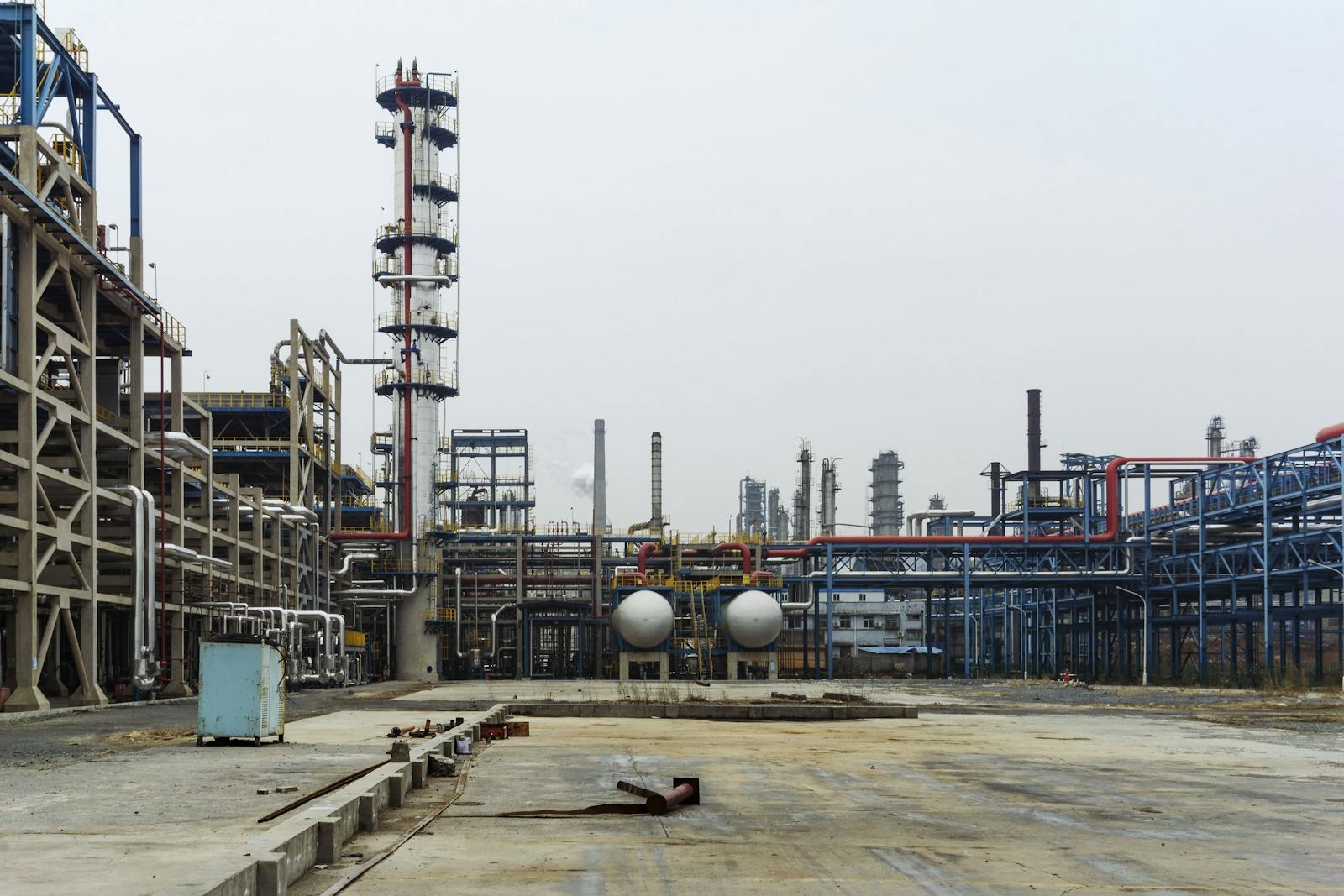
However, challenges persist around inconsistent policy implementation, bureaucratic bottlenecks, infrastructure deficits, and security concerns.
Market dynamics and demand trends.
Daily petrol consumption ranges between 60 to 70 million litres, with substantial additional demand for diesel, aviation fuel, kerosene, and LPG. The removal of fuel subsidies in 2023 introduced market-based pricing, creating opportunities for efficient operators while exposing inefficient facilities to competitive pressures.
Critical risk categories for modular refineries and oil servicing firms
Successfully scaling operations requires comprehensive understanding and mitigation of interconnected risk factors.
1. Operational and technical risks.
Operational excellence forms the foundation of successful refining operations.
Technology and equipment reliability is critical. Equipment failures, inadequate preventive maintenance, or substandard technology can result in extended production downtime, safety incidents, product quality issues, and revenue losses.
Operators must invest in proven, reliable equipment from reputable manufacturers. Establish rigorous preventive maintenance schedules with trained technicians. Implement condition monitoring systems for critical equipment. Maintain adequate spare parts inventory. Develop relationships with equipment suppliers for technical support.
Feedstock quality and supply consistency remains a fundamental challenge. The NNPCL’s crude-to-naira initiative has improved accessibility, but challenges persist including crude quality variations affecting product yields, supply interruptions due to production issues or pipeline vandalism, pricing fluctuations linked to global oil markets, and logistical complexities.
Effective feedstock risk management requires securing long-term crude supply agreements, developing relationships with multiple crude suppliers, investing in crude storage capacity, implementing quality testing and blending capabilities, and maintaining financial reserves to manage price volatility.
Process safety and environmental compliance is non-negotiable. Refining operations involve handling flammable and toxic materials at elevated temperatures and pressures. Without robust safety management systems, risks include fires and explosions, toxic releases, environmental contamination, and regulatory penalties.
Operators must implement internationally recognised safety standards like API (American Petroleum Institute) guidelines, conduct regular process hazard analyses and safety audits, invest in fire detection and suppression systems, train personnel in emergency response procedures, maintain comprehensive insurance coverage, and establish community emergency response protocols.
2. Financial and market risks.
The financial viability of modular refineries depends on multiple market factors that can shift rapidly.
Capital investment and financing challenges are significant. Modular refineries require substantial upfront capital, typically ranging from 50millionto300 million depending on capacity and complexity. High interest rates, limited long-term project financing, foreign exchange requirements for imported equipment, and investor concerns about sector risks create financing difficulties.
Strategies for managing these risks include diversifying funding sources across equity investors, commercial loans, development finance institutions, and capital markets. Leverage PIA fiscal incentives to improve project economics. Structure projects to optimise debt-equity ratios. Develop detailed financial models demonstrating viability. Maintain strong corporate governance to attract investors.
Product price volatility and market risks are inherent. Refined product prices fluctuate based on global oil prices, foreign exchange rates, local demand-supply dynamics, and competitive pressures. The deregulated pricing environment brings opportunities but also volatility.
Risk mitigation approaches include developing hedging strategies where financial instruments are available, securing offtake agreements with major marketers or industrial consumers, diversifying product mix to serve multiple market segments, maintaining financial reserves to weather price downturns, and implementing flexible operating strategies.
Foreign exchange exposure is a significant concern. Many refineries import critical equipment, spare parts, catalysts, and chemicals in foreign currency while earning revenue predominantly in naira. The naira’s depreciation significantly impacts operating margins.
Managing forex risks requires natural hedging by matching foreign currency revenues with expenses where possible, using forward contracts or other hedging instruments, building foreign exchange reserves during favourable periods, exploring local sourcing alternatives, and structuring financing to minimise foreign currency exposure.
3. Regulatory and compliance risks.
Nigeria’s petroleum sector operates under a complex, evolving regulatory framework.
Licensing and permitting complexities require attention. Operating modular refineries requires multiple licenses and permits from NMDPRA, Department of Petroleum Resources, Federal Ministry of Environment, NESREA, State Environmental Protection Agencies, and local government authorities.
Effective regulatory risk management involves engaging experienced regulatory consultants, maintaining proactive relationships with regulatory agencies, ensuring timely submission of required documentation, budgeting for licensing fees and renewal costs, and implementing compliance tracking systems.
Environmental regulations and standards must be met. Refineries must meet stringent environmental standards for air emissions, effluent discharge, solid waste management, and noise pollution. Nigeria’s environmental enforcement has intensified, with more frequent inspections and stricter penalties.
Managing environmental compliance requires investing in appropriate pollution control technologies, conducting regular environmental monitoring and reporting, maintaining environmental management systems (ISO 14001), engaging with host communities on environmental concerns, and budgeting for compliance costs.
Petroleum Industry Act implementation continues. The PIA introduced new frameworks for midstream and downstream operations with implications for domestic crude allocation, local content requirements, fiscal terms and taxation, gas utilisation obligations, and host community development.
Operators must stay current with evolving PIA regulations, engage legal advisors specialising in petroleum law, participate in industry associations for collective advocacy, plan for potential regulatory changes, and budget for compliance costs.
4. Infrastructure and logistics risks.
Nigeria’s infrastructure deficits create unique operational challenges.
Power supply reliability is a major issue. Unreliable electricity from the national grid forces most refineries to depend heavily on diesel generators, dramatically increasing operating costs. Industry reports indicate that power generation can account for 15 to 25 percent of total operating expenses.
Infrastructure risk mitigation includes investing in captive power generation facilities, exploring renewable energy integration, implementing energy efficiency measures, participating in private power initiatives, and factoring power costs realistically into economic models.
Transportation and distribution networks are challenging. Poor road infrastructure, limited pipeline networks, product theft and diversion, and inadequate storage facilities complicate product distribution.
Addressing logistics risks requires developing relationships with reliable logistics providers, investing in dedicated transportation assets where economically viable, securing strategic storage locations near key markets, implementing product tracking and security systems, and building logistics costs into pricing structures.
Water supply and treatment is essential. Refining operations require substantial water quantities for cooling, steam generation, and process applications. Unreliable water supply or inadequate treatment capacity can constrain operations.
Water risk management involves securing dedicated water sources, investing in water treatment and recycling systems, implementing water conservation measures, maintaining emergency water storage capacity, and planning for seasonal water availability variations.
5. Security and geopolitical risks.
Security concerns remain persistent challenges, particularly in oil-producing regions.
Crude oil theft and pipeline vandalism have cost Nigeria billions of dollars annually. While modular refineries are less vulnerable than large facilities, they still face risks from organised criminal groups regarding feedstock supply disruption, product theft, and sabotage threats.
Security risk management includes investing in comprehensive perimeter security and surveillance systems, maintaining trained security personnel with clear protocols, developing intelligence networks to anticipate threats, collaborating with security agencies and neighbouring facilities, and maintaining comprehensive insurance coverage.
Community relations and social license are critical. Poor community relations can escalate into protests, facility blockades, or sabotage. Host communities often have expectations regarding employment opportunities, infrastructure development, environmental protection, and community development programs.
Building social license involves implementing robust community engagement strategies, prioritising local employment and procurement where feasible, establishing community development programmes, maintaining transparent communication channels, and addressing grievances promptly and fairly.
Political and policy stability creates uncertainty for long-term investments. Political transitions, policy reversals, and regulatory inconsistency are real risks.
Mitigating political risks requires diversifying operations across multiple locations where possible, maintaining flexibility to adapt to policy changes, engaging in industry advocacy through associations, building relationships across political divides, and structuring investments to accommodate political risk.
For support with risk management, our petroleum sector risk assessment and mitigation services can help.
Comprehensive risk management strategies for sustainable scaling
Successful operators implement comprehensive frameworks that enable sustainable growth.
1. Developing integrated risk management frameworks.
A structured approach should encompass risk identification, assessment, mitigation strategies, and continuous monitoring.
Risk identification and assessment requires conducting comprehensive assessments during project planning phases, identifying potential threats across operational, financial, regulatory, infrastructure, security, and market dimensions. Use established methodologies including SWOT analysis, PESTLE analysis, risk matrices evaluating likelihood and impact, scenario planning, and stakeholder consultation.
Risk prioritisation and resource allocation means not all risks require equal attention. Focus resources on high-impact, high-likelihood risks first while monitoring lower-priority threats.
Integrated management systems provide structured approaches to key risk areas including Quality Management (ISO 9001), Environmental Management (ISO 14001), Occupational Health and Safety (ISO 45001), and Energy Management (ISO 50001). These certifications demonstrate commitment to excellence.
Business continuity and crisis management require developing comprehensive plans covering scenarios like equipment failure, crude supply disruptions, natural disasters, security incidents, regulatory shutdowns, and key personnel loss. Regular drills and simulations test plan effectiveness.

2. Financial risk mitigation and optimisation.
Strong financial management practices cushion operators against market volatility.
Diversified funding strategies reduce dependence on single sources by combining equity investment, commercial bank loans, development finance institutions offering concessional rates, bond issuances, equipment leasing, and strategic partnerships.
The PIA’s fiscal incentives, including pioneer status tax holidays and capital allowances, can significantly improve project economics.
Hedging and risk transfer mechanisms include foreign exchange forward contracts, commodity price hedges where markets exist, comprehensive insurance coverage (property, liability, business interruption), letters of credit, and natural hedging.
Cost optimisation and operational efficiency require implementing lean operations, negotiating favourable terms with suppliers, optimising energy consumption, investing in automation where economically justified, benchmarking performance against industry standards, and continuously reviewing cost structures.
Working capital management requires maintaining adequate working capital to sustain operations through market cycles, negotiating favourable payment terms with suppliers, implementing efficient receivables collection processes, optimising inventory levels, and establishing credit facilities providing liquidity buffers.
3. Operational excellence and technical optimisation.
Achieving operational excellence reduces costs, improves safety, enhances product quality, and strengthens competitiveness.
Technology selection and optimisation requires investing in proven, reliable refining technologies, implementing advanced process control systems, utilising predictive maintenance technologies (IoT sensors, analytics), adopting digital technologies for real-time monitoring, and maintaining flexibility to incorporate technological improvements.
Skills development and workforce competency require building competent workforces through comprehensive training programmes covering technical, safety, and operational aspects, knowledge transfer from experienced operators, partnerships with technical institutions, competitive compensation, and succession planning.
The PIA’s local content provisions encourage workforce development, creating opportunities for Nigerian professionals.
Quality assurance and product excellence require implementing rigorous quality control programmes ensuring products consistently meet Nigerian standards, investing in laboratory equipment and trained analysts, pursuing quality certifications, implementing traceability systems, and responding promptly to quality issues.
Continuous improvement culture requires fostering organisational cultures embracing continuous improvement through regular performance reviews, employee suggestion programmes, benchmarking against industry best practices, post-incident analyses, and celebrating improvements.
The critical role of oil servicing firms
Oil servicing firms provide essential support to modular refineries. Their success is intrinsically linked to that of their clients.
Service categories and growth opportunities.
Maintenance and turnaround services include mechanical services (rotating equipment, pressure vessels, piping), instrumentation and control systems, electrical systems, and insulation and refractory work. Turnaround planning and execution services are particularly valuable, as refineries typically require major turnarounds every three to five years.
Laboratory and quality testing services include product quality testing, crude oil assays, process monitoring, and environmental compliance testing. Independent testing facilities serving multiple clients spread fixed costs while providing objective, credible results.
Logistics and supply chain services include transportation of crude oil and refined products, warehousing and storage facility management, supply chain optimisation, and inventory management.
Engineering and consulting services include technical consulting on process optimisation, engineering design for facility expansions, project management, environmental impact assessments, and regulatory compliance advisory.
Training and competency development includes technical skills training, safety and emergency response training, regulatory compliance training, and new technology adoption training.
Risk management for oil servicing firms.
Client concentration and diversification is a key risk. Over-dependence on single clients or sectors exposes service firms to significant revenue risk. Diversification strategies include serving multiple clients across the value chain, operating across different geographic regions, offering complementary service lines, and serving other industries beyond oil and gas.
Payment and credit risk requires implementing thorough credit assessment procedures, requiring advance payments or progress billing, negotiating letters of credit for large contracts, factoring receivables, maintaining credit insurance where available, and establishing clear payment terms.
Professional liability and insurance requires maintaining professional indemnity insurance, implementing robust quality management systems, documenting all work comprehensively, using clear contractual terms, and investing in continuous competency development.
Regulatory compliance and licensing requires maintaining required licenses and registrations including NCDMB registration, professional body memberships, safety certifications, environmental permits, and tax compliance.
Workforce management requires offering competitive compensation and benefits, providing career development opportunities, maintaining strong safety cultures, building talent pipelines through training partnerships, and considering employee ownership or profit-sharing arrangements.
For support with oil servicing operations, our oil and gas service firm risk management advisory can help.
Key takeaways for modular refinery operators
Modular refineries and oil servicing firms represent critical components of Nigeria’s petroleum sector transformation. The combination of supportive government policies under the PIA, market liberalisation, growing domestic demand, and export potential creates a favourable environment.
However, success requires far more than optimism or technical capability. It demands sophisticated risk management frameworks addressing the complex, interconnected operational, financial, regulatory, infrastructure, and security challenges.
Operators who invest in robust risk management systems, build strategic partnerships, maintain operational excellence, develop strong stakeholder relationships, and adapt to evolving market conditions will emerge as industry leaders.
The coming years will witness consolidation. Well-managed, adequately capitalised operators will scale successfully. Poorly managed or undercapitalised ventures will struggle or fail. For those willing to commit to excellence, long-term thinking, and comprehensive risk management, Nigeria’s refining sector offers substantial opportunities.
Recommended reading from the Business Cardinal blog
If you want to strengthen your risk management and governance framework, these related articles will help.
Building a Risk-Aware Culture in Your Organization – Risk management starts with a culture that takes risk seriously. Read the Guide.
Board Evaluation: Why It Matters – Board Assessment Nigeria – Stronger Oversight – Strong board oversight is essential for managing complex operational risks. Read the Article.
Corporate Governance Lessons from Nigerian Bank Failures – Some failures involved inadequate risk management. Learn from the past. Read the Guide.
Recommended services from Business Cardinal
Ready to strengthen your risk management framework and scale sustainably? These services are designed to help modular refinery operators and oil servicing firms navigate complex risks.
Petroleum Sector Risk Management and Advisory Services – Comprehensive risk management advisory for modular refineries and oil servicing firms.
Petroleum Sector Risk Assessment and Mitigation Services – Identification and assessment of operational, financial, regulatory, infrastructure, and security risks.
Oil and Gas Service Firm Risk Management Advisory – Tailored risk management solutions for oil servicing companies.
Petroleum Industry Act Compliance and Advisory Services – Guidance on PIA compliance, licensing, and regulatory requirements.
Where to go from here
The journey from startup to sustainable, scaled operations is challenging but achievable. Those who master the art and science of managing risks while scaling modular refineries will not only build profitable enterprises but also contribute meaningfully to Nigeria’s energy security and economic development.
Start with a comprehensive risk assessment. Then build your risk management framework. Then implement systematically.
The operators who succeed will be those who treat risk management as a strategic priority, not an afterthought.
Let’s work together
Is your modular refinery or oil servicing firm positioned to scale sustainably while managing complex risks?
At Business Cardinal, we help petroleum sector operators build comprehensive risk management frameworks that enable sustainable growth. We understand the Nigerian operating environment. We know the regulatory landscape. And we have practical experience helping organisations navigate the complex risks of modular refinery operations.
Not theory. Not generic advice. Practical, actionable support tailored to your specific operations.
Contact us today:
📧 Email: hello@businesscardinal.com
📞 Phone: +234 802 320 0801
📍 Address: 5, Ishola Bello Close, Off Iyalla Street, Alausa, Ikeja, Lagos, Nigeria
Contact Business Cardinal to discuss your risk management needs.
Let us help you build a stronger, more resilient petroleum sector operation.
Business Cardinal – Your Partner in Petroleum Sector Risk Management
References
-
U.S. Energy Information Administration (EIA) – Refining Crude Oil
-
Nigerian Midstream and Downstream Petroleum Regulatory Authority (NMDPRA) – Modular Refinery Licensing
-
Petroleum Industry Act, 2021 – Federal Republic of Nigeria
-
Nigerian National Petroleum Company Limited (NNPCL) – Crude Supply Framework
-
International Organization for Standardization (ISO) – ISO 9001, 14001, 45001 Standards
-
American Petroleum Institute (API) – Refinery Safety Standards
-
Nigerian Content Development and Monitoring Board (NCDMB) – Local Content Guidelines
-
National Environmental Standards and Regulations Enforcement Agency (NESREA) – Environmental Compliance
-
Crude Oil Refiners Association of Nigeria (CORAN) – Industry Best Practices
Related Post

How Nigerian Companies Can Use Scenario Planning for Economic Shocks
Print 🖨 PDF 📄 eBook 📱How Nigerian Companies Can Use Scenario Planning for Economic Shocks…

Top 5 Common Accounting Mistakes Nigerian SMEs Make (And How to Avoid Them)
Print 🖨 PDF 📄 eBook 📱Top 5 Common Accounting Mistakes Nigerian SMEs Make (And How…
How to Prepare for Your Annual Audit in Nigeria
Print 🖨 PDF 📄 eBook 📱How to Prepare for Your Annual Audit in Nigeria Get…

There are no comments