


Accounting Software vs. Professional Accountants: Which Do Nigerian SMEs Need?
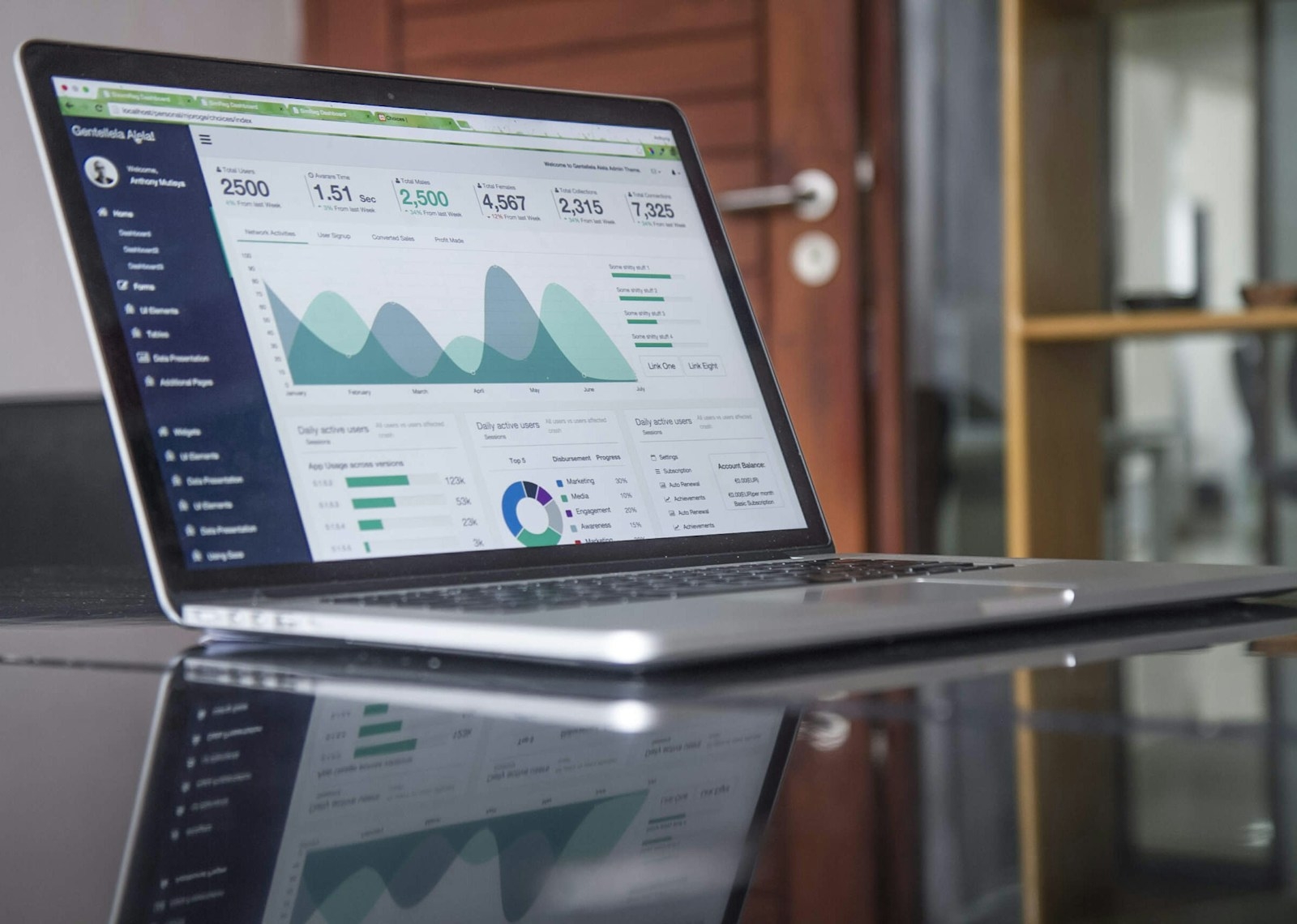
Accounting Software vs. Professional Accountants: Which Do Nigerian SMEs Need?
Let me ask you something straight.
Are you a small business owner in Lagos who stays up at night worrying about your books? Or maybe you are in Abuja, juggling invoices and wondering if you are paying the right tax.
The debate between accounting software and hiring a professional accountant feels confusing. Lots of people will tell you to pick one side.
Don’t.
The real answer is simpler and smarter. You need both.
Here is why.

What Most Business Owners Get Wrong
Some people think software will replace their accountant. Others believe only a human can touch their money. Both are wrong.
Accounting software records your transactions. It automates invoices and bank reconciliations. It gives you beautiful dashboards.
But software cannot look you in the eye and say: “That expense category is wrong. You will get audited if you leave it there.”
A professional accountant offers strategy. They help with tax planning, complex deals, and compliance. They spot problems before the government does.
The magic happens when you let each tool do what it does best.
Access our market research services to understand industry trends, competitor movements, and regulatory changes before they impact your business.
Understanding the Fundamentals
To make informed decisions about financial management tools, Nigerian SMEs must first understand what accounting software and professional accountants each bring to the table.
What Is Accounting Software? A Clear Definition
Here is the simple version.
Accounting software automates financial record-keeping, transaction processing, and report generation. Modern cloud-based solutions make sophisticated accounting capabilities accessible to businesses of all sizes, including Nigerian SMEs with limited resources.
What Do Professional Accountants Offer?

Professional accountants are qualified finance experts who provide strategic financial guidance, compliance assurance, and business advisory services beyond basic bookkeeping. In Nigeria, professional accountants typically hold certifications from bodies like the Institute of Chartered Accountants of Nigeria (ICAN) or the Association of National Accountants of Nigeria (ANAN).
Their services encompass:
-
Strategic financial planning and analysis
-
Tax compliance and optimization strategies
-
Audit preparation and financial statement certification
-
Business advisory and decision support
-
Regulatory compliance across multiple jurisdictions
-
Internal control design and risk management
-
Financial forecasting and budgeting
-
Complex transaction structuring
As a tax advisory and tax consulting service provider in Nigeria , Business Cardinal helps SMEs navigate these exact complexities.
The Evolution of Financial Management in Nigerian SMEs
Nigerian small and medium enterprises have traditionally relied heavily on manual bookkeeping or basic spreadsheets, often engaging accountants only during tax season or for statutory filings.
This reactive approach has several limitations:
-
Limited real-time visibility. Business owners lack current financial information for decision-making.
-
Error-prone processes. Manual data entry increases risk of mistakes and discrepancies.
-
Time-intensive. Staff spend excessive time on routine bookkeeping rather than strategic activities.
-
Compliance challenges. Difficulty tracking multiple tax obligations and deadlines.
-
Scalability issues. Manual systems become unmanageable as businesses grow.
The emergence of affordable, user-friendly accounting software combined with increased internet penetration has created new opportunities for Nigerian SMEs to modernize their financial management approaches.
The Case for Accounting Software
Modern accounting software offers compelling advantages that address many challenges Nigerian SMEs face.
Cost Efficiency
Budget constraints are often paramount for small and medium enterprises.
Lower fixed costs. Quality accounting software subscriptions typically range from ₦5,000 to ₦50,000 monthly depending on features and user requirements. Compare this to hiring a full-time accountant whose monthly salary plus benefits may exceed ₦150,000 to ₦500,000 for qualified professionals.
Scalable investment. Software costs scale with business needs. Start-ups can begin with basic packages and upgrade as they grow, paying only for features they actually use.
Elimination of infrastructure costs. Cloud-based solutions eliminate needs for dedicated servers, IT infrastructure, or physical storage for financial records.

Reduced transaction costs. Automated data entry from bank feeds, invoicing integration, and receipt scanning reduce time and cost associated with transaction recording.
Predictable expenses. Subscription-based pricing provides predictable monthly costs, facilitating easier budgeting compared to variable professional service fees.
Real-Time Financial Visibility
Immediate access to financial information enables better business decisions.
Dashboard analytics. Modern software provides intuitive dashboards showing key metrics like cash flow, outstanding receivables, pending payables, and profitability trends at a glance.
Mobile access. Cloud-based solutions allow business owners to check financial status from anywhere using smartphones or tablets. This is crucial for Nigeria’s increasingly mobile business environment.
Instant reporting. Generate profit and loss statements, balance sheets, cash flow reports, and custom analyses instantly rather than waiting for accountants to prepare them.
Performance monitoring. Track business performance against budgets and historical periods in real-time, enabling proactive adjustments rather than reactive corrections.
Multi-location visibility. For SMEs with multiple locations, cloud software consolidates financial data across all sites, providing comprehensive business views.
Automation and Time Savings
Software eliminates repetitive manual tasks, freeing time for strategic activities.
Automated bank reconciliation. Modern software connects directly to Nigerian banks, automatically importing and matching transactions, reducing reconciliation time from hours to minutes.
Recurring transactions. Set up recurring invoices, bills, and payments to process automatically without manual intervention each period.
Automated payment reminders. Software can automatically send payment reminders to customers with overdue invoices, improving collection efficiency.
Bulk operations. Process multiple transactions, generate numerous invoices, or update prices across products simultaneously rather than individually.
Integrated workflows. Link sales, inventory, and accounting systems so that recording a sale automatically updates inventory and accounts receivable without duplicate data entry.
Enhanced Accuracy and Reduced Errors
Automation minimizes human errors that plague manual bookkeeping systems.
Elimination of manual entry errors. Direct bank feeds and integrations reduce typing mistakes that occur with manual data entry.
Built-in validations. Software includes validation rules preventing common errors like unbalanced entries, duplicate transactions, or invalid account coding.
Consistent application. Software applies accounting rules consistently across all transactions, avoiding the inconsistencies that occur with multiple manual processors.
Audit trails. Comprehensive audit trails track who entered or modified every transaction and when, facilitating error detection and correction.
Mathematical accuracy. Automated calculations eliminate arithmetic errors in totals, percentages, or formula-based computations.
Compliance and Regulatory Features
Nigerian businesses face complex compliance requirements across multiple authorities.
Tax calculation automation. Software configured for Nigerian tax rules automatically calculates VAT, withholding tax, and other levies accurately.
Statutory reporting. Generate reports formatted for submission to regulatory bodies including Federal Inland Revenue Service (FIRS), Corporate Affairs Commission (CAC), and relevant state authorities.
Compliance reminders. Calendar features alert businesses to upcoming filing deadlines, payment due dates, and renewal requirements.
Multi-tax management. Track different tax types (VAT, CIT, WHT, personal income tax) separately with appropriate rates and rules for each.
Digital record-keeping. Maintain organized digital records meeting regulatory retention requirements, easily retrievable for audits or inquiries.
Popular Accounting Software for Nigerian SMEs (2025-2026)
The Nigerian market now offers various accounting software solutions tailored to local needs.
QuickBooks Online. Widely used globally with Nigerian localization including naira currency, local tax rules, and integration with Nigerian banks. Subscription ranges from ₦15,000 to ₦45,000 monthly.
Sage Business Cloud Accounting. Offers robust features for growing SMEs with multi-currency support important for Nigerian businesses engaged in international trade. Pricing from ₦20,000 monthly.
Zoho Books. Cost-effective option popular among Nigerian start-ups, with plans starting from ₦5,000 monthly. Includes Nigerian tax templates and bank integration.
Xero. Cloud-based solution gaining traction in Nigeria, particularly among tech-savvy businesses. Subscription from ₦18,000 monthly with unlimited users.
Wave Accounting. Free basic accounting software suitable for micro-enterprises and sole proprietors, though with limited Nigerian localization.
Nigerian-developed solutions. Several locally-developed options including CloudBooks Nigeria, AccountsIQ Nigeria, and others specifically designed for the Nigerian regulatory environment with local support.
The Case for Professional Accountants
While software offers powerful capabilities, professional accountants provide irreplaceable value that technology cannot fully replicate.
Strategic Financial Guidance
Professional accountants offer expertise extending far beyond transaction recording.
Business strategy development. Experienced accountants help develop financial strategies aligned with business objectives, analyzing scenarios and modeling outcomes for major decisions.
Performance analysis and interpretation. While software generates reports, accountants interpret what numbers mean, identify concerning trends, and recommend specific actions.
Industry benchmarking. Professional accountants provide context by comparing your performance against industry standards and competitors, highlighting areas requiring attention or improvement.
Cash flow management. Accountants develop sophisticated cash flow forecasting, identify funding needs before crises emerge, and structure working capital solutions.
Growth planning. Professional guidance on financing options, capital structure, investment decisions, and expansion strategies that software cannot provide.
Complex Transaction Handling
Certain transactions require professional expertise beyond software capabilities.
Business combinations. Mergers, acquisitions, and business restructurings involve complex accounting requiring professional judgment and technical expertise.
Asset valuations. Fair value determinations for property, equipment, intangibles, or business valuations need professional appraisers or accountants.
Foreign currency transactions. International trade involving multiple currencies requires understanding of exchange rate accounting, hedging strategies, and translation adjustments.
Related party transactions. Complex intercompany transactions, management buy-outs, or family business arrangements need careful structuring and documentation.
Equity transactions. Share issuances, stock options, convertible instruments, and other equity transactions involve specialized accounting treatment.
Tax Planning and Optimization
Effective tax management requires strategic planning beyond compliance.
Tax minimization strategies. Professional accountants identify legitimate tax-saving opportunities through structure optimization, incentive utilization, and timing strategies that software cannot recognize.
Multiple jurisdiction navigation. For businesses operating across Nigerian states or internationally, accountants coordinate tax compliance and optimize positions across jurisdictions.
Tax dispute resolution. When disputes arise with tax authorities, professional representation and negotiation capabilities are invaluable.
Advance tax rulings. Obtaining clarifications from authorities on uncertain positions requires professional expertise in technical communication and regulation interpretation.
Succession planning. Tax-efficient business succession and ownership transfer strategies need professional planning and implementation. [4]
Audit and Assurance Services

Professional accountants provide independent verification that builds stakeholder confidence.
Statutory audit compliance. Nigerian companies meeting certain thresholds legally require professional audit of financial statements. Software cannot fulfill this requirement.
Financial statement certification. Professional accountants certify that financial statements fairly present business financial position in accordance with applicable standards.
Internal audit services. Professional accountants design and execute internal audit programs identifying control weaknesses and operational improvements.
Due diligence. For investment, acquisition, or financing transactions, professional accountants conduct thorough due diligence providing assurance to parties involved.
Fraud detection and investigation. When irregularities are suspected, professional forensic accountants investigate and document findings with appropriate expertise.
Regulatory Compliance Assurance
Nigeria’s complex regulatory environment requires expert navigation.
Multi-agency compliance. Professional accountants ensure compliance across Federal Inland Revenue Service (FIRS), Corporate Affairs Commission (CAC), Securities and Exchange Commission (SEC), Central Bank of Nigeria (CBN), and relevant state authorities.
Regulatory interpretation. Tax laws and regulations often contain ambiguities requiring professional interpretation to ensure correct application.
Changing regulation management. Accountants monitor regulatory changes, assess impacts on your business, and implement necessary adjustments to maintain compliance.
Representation before authorities. Professional accountants represent businesses in dealings with regulatory authorities, audits, inquiries, and dispute resolution processes.
Industry-specific requirements. Certain industries like banking, insurance, oil and gas, and telecommunications face specialized regulations requiring expert knowledge.
Risk Management and Internal Controls
Professional accountants design systems protecting businesses from financial risks.
Internal control design. Accountants develop control frameworks preventing errors, fraud, and misappropriation while ensuring operational efficiency.
Risk assessment. Professional evaluation of financial risks including credit risk, market risk, operational risk, and compliance risk with mitigation strategies.
Fraud prevention. Implementation of anti-fraud measures, segregation of duties, and monitoring mechanisms reducing vulnerability to internal and external fraud.
Insurance optimization. Reviewing insurance coverage ensuring adequate protection while avoiding unnecessary premiums.
Business continuity. Developing financial aspects of business continuity plans addressing disaster recovery, crisis management, and operational resilience.
Current Trends in Professional Accounting Services (2025-2026)
The accounting profession in Nigeria continues evolving.
Virtual CFO services. Many accounting firms now offer fractional CFO services providing senior financial expertise to SMEs at a fraction of full-time CFO costs.
Technology-enabled services. Progressive accounting firms leverage software themselves, focusing advisory services on areas where human expertise adds greatest value.
Specialized industry expertise. Increased specialization with accountants developing deep expertise in specific sectors like technology, real estate, manufacturing, or professional services.
Advisory-focused practices. Shift from traditional compliance-focused services toward strategic advisory, helping businesses grow and navigate challenges.
Flexible engagement models. Movement toward retainer-based advisory relationships rather than project-by-project engagement, providing ongoing strategic partnership.
Limitations of Each Approach
Understanding limitations helps Nigerian SMEs make realistic assessments and avoid potential pitfalls.
Limitations of Accounting Software Alone
Despite powerful capabilities, software has inherent constraints.
Limited strategic thinking. Software cannot provide strategic advice, interpret results in business context, or recommend actions based on financial analysis.
Complex transaction challenges. Unusual or complex transactions may not fit standard software categories, requiring manual adjustments or professional guidance.
Setup and configuration requirements. Properly configuring software for Nigerian tax rules, chart of accounts, and business workflows requires accounting knowledge many business owners lack.
Learning curve. Effectively using accounting software requires training and familiarity. Many features remain underutilized because users do not understand their application or benefits.
Integration limitations. While many software solutions offer integrations, connecting all business systems seamlessly often proves challenging, particularly with legacy systems.
Data quality dependence. Software accuracy depends entirely on input data quality. “Garbage in, garbage out” remains true. Incorrect entries produce incorrect reports regardless of sophisticated software.
Compliance interpretation. Software may calculate taxes but cannot advise on gray areas, changing regulations, or optimal tax positions requiring professional judgment.
Customization constraints. Standard software may not accommodate unique business requirements, specialized industry practices, or non-standard transactions without customization or workarounds.
Technical issues. Software outages, connectivity problems, or technical glitches can temporarily prevent access to critical financial information.
Limitations of Professional Accountants Alone
Traditional engagement of accountants without software also has significant drawbacks.
Cost considerations. Full-service professional accounting support represents substantial ongoing expense, particularly challenging for early-stage or cash-constrained SMEs.
Delayed information. Accountants typically provide periodic reports (monthly, quarterly, annual) rather than real-time information, limiting responsiveness to emerging issues.
Scalability challenges. As businesses grow, accounting needs expand. Purely manual processes struggle to scale efficiently, eventually requiring significant accountant time increases.
Dependency risk. Heavy reliance on external accountants creates vulnerability if relationships end, accountants become unavailable, or quality issues emerge.
Limited day-to-day support. External accountants generally are not available for routine daily questions or immediate decision support, potentially delaying time-sensitive decisions.
Knowledge transfer issues. When external accountants maintain all financial records and knowledge, internal business understanding of financial position may be limited.
Geographic constraints. In some Nigerian locations, accessing qualified professional accountants may be difficult due to limited local availability of certified practitioners.
Process inefficiency. Without software automation, even professional accountants spend significant time on routine data entry and transaction processing that software could handle more efficiently. [6]
The Optimal Solution: A Hybrid Approach
For most Nigerian SMEs, the answer is not choosing between software and accountants. It is leveraging both strategically.
Why Hybrid Models Work Best
Technology for efficiency, humans for strategy. Use software to automate routine transaction processing, reporting, and compliance calculations while engaging accountants for strategic planning, complex issues, and business advisory.
Continuous visibility with expert interpretation. Software provides real-time financial data while accountants periodically review, interpret, and advise on implications and actions.
Cost optimization. Reduce professional fees by having accountants focus on high-value advisory rather than data entry and routine bookkeeping that software handles more efficiently and economically.
Risk mitigation. Software reduces error risk in transaction processing while professional review catches issues automated systems miss and ensures proper accounting treatment.
Scalability. The hybrid approach scales efficiently as software handles increasing transaction volumes while professional support adjusts based on complexity rather than volume.
Skill development. Working with both software and advisors helps business owners develop financial literacy, understanding their numbers better and making more informed decisions.
At Business Cardinal , we combine decades of experience providing expert guidance and support to help our clients achieve their financial goals.
Sample Hybrid Models for Different SME Sizes
Micro-Enterprises (1-5 employees, annual revenue under ₦10 million). Software: Basic cloud accounting (Wave, Zoho Books basic plan). Professional Support: Quarterly review plus annual tax return preparation. Estimated Monthly Cost: ₦5,000-₦10,000 software + ₦20,000-₦40,000 professional fees.
Small Enterprises (6-20 employees, annual revenue ₦10-100 million). Software: Mid-tier cloud solution (QuickBooks, Xero, Zoho Books professional). Professional Support: Monthly review plus tax compliance, annual audit coordination. Estimated Monthly Cost: ₦15,000-₦30,000 software + ₦50,000-₦150,000 professional fees.
Medium Enterprises (21-100 employees, annual revenue ₦100 million-₦1 billion). Software: Advanced cloud or ERP system with multiple modules. Professional Support: Dedicated accountant (in-house or outsourced) plus external firm for audit, tax planning, and strategic advisory. Estimated Monthly Cost: ₦50,000-₦150,000 software + ₦200,000-₦800,000 professional fees.
Industry-Specific Considerations
Retail and E-Commerce. Retailers face high transaction volumes and inventory management complexity. Software priorities include point-of-sale integration, inventory tracking, and multi-location management. Professional accountant focus includes inventory valuation methods, margin analysis, and expansion planning.
Professional Services (Consulting, Legal, Accounting, etc.). Service businesses need strong project and time tracking capabilities. Software priorities include time tracking, project-based costing, and billing automation. Professional accountant focus includes revenue recognition policies, pricing strategies, and profitability analysis by client.
Manufacturing. Manufacturers require sophisticated inventory and production cost tracking. Software priorities include bill of materials, work-in-progress tracking, and production costing. Professional accountant focus includes cost accounting systems, overhead allocation, and make-or-buy decisions. [7]
Frequently Asked Questions
Q1: How much does accounting software cost in Nigeria?
A: Quality accounting software subscriptions typically range from ₦5,000 to ₦50,000 monthly depending on features and user requirements. Popular options include QuickBooks Online, Zoho Books, Sage, and Xero, all of which offer Nigerian localization including naira currency, VAT calculations, and local tax rules.
Q2: How much does it cost to hire a professional accountant in Nigeria?
A: A full-time qualified accountant with ICAN or ANAN certification costs between ₦150,000 and ₦500,000 monthly plus benefits. For the hybrid model, many SMEs hire accountants on a quarterly or monthly retainer for ₦50,000 to ₦150,000, significantly reducing costs while maintaining professional oversight.
Q3: What is the hybrid model for SME financial management?
A: The hybrid model combines accounting software for routine transaction processing, reporting, and compliance calculations with professional accountants for strategic planning, complex issues, tax optimization, and business advisory. This captures benefits of both while reducing professional fees by having accountants focus on high-value advisory rather than data entry.
Q4: Can accounting software handle Nigerian tax requirements?
A: Many international solutions now include Nigerian localization covering VAT, withholding tax, and company income tax. QuickBooks Online, Zoho Books, and Sage all offer Nigerian tax templates and bank integration. However, always verify specific Nigerian capabilities before purchase and consider professional advisor setup assistance ensuring correct configuration.
Q5: What should a micro-enterprise with under ₦10 million revenue do?
A: Start with free or low-cost software like Wave or basic Zoho Books. Pay an accountant once per year for tax compliance. As revenue grows, upgrade software and increase professional review frequency. The key is starting with good habits even when the business is small.
Q6: What services do professional accountants offer beyond software capabilities?
A: Professional accountants provide strategic financial guidance (business strategy, performance analysis, cash flow management), complex transaction handling (mergers, valuations, foreign currency), tax planning and optimization, audit and assurance services, regulatory compliance across multiple Nigerian agencies (FIRS, CAC, SEC, CBN), and fraud detection and investigation.
Q7: How do I choose the right accounting software for my Nigerian SME?
A: Consider your business size, industry, transaction volume, and specific needs. For retail, prioritize POS integration. For manufacturing, look for inventory and production costing. For services, focus on time tracking and project billing. Test software through free trials before committing. Our market research services can help you evaluate options.
Q8: Can Business Cardinal help me implement a hybrid financial management system?
A: Yes. As a tax advisory and tax consulting service provider in Nigeria , Business Cardinal offers expert guidance on financial management. We also provide debt collection and recovery services and High Performance Selling™ sales training to help your business grow. Contact us for a free assessment.
Transform Your Financial Management Today
Stop struggling with financial uncertainty. Discover the perfect accounting solution for your Nigerian SME.
You have read about the benefits of accounting software, the value of professional accountants, and the power of combining both strategically. Now it is time to take action and transform your business’s financial management.
Why Choose Business Cardinal?
At Business Cardinal, we understand that Nigerian SMEs face unique challenges requiring tailored solutions, not one-size-fits-all approaches. We are a research-based sales training, sales coaching, and sales consulting firm that integrates proven science with practical business solutions.
We offer complete financial management solutions:
Software Implementation Services
-
Objective assessment and recommendation of the best accounting software for your specific needs
-
Professional setup and configuration ensuring Nigerian compliance
-
Comprehensive training for your team
-
Ongoing technical support and optimization
Professional Accounting and Advisory Services
-
Monthly, quarterly, or custom-scheduled financial review and reporting
-
Tax planning, compliance, and filing across federal and state jurisdictions
-
Strategic financial advisory supporting business growth
-
Audit preparation and coordination
-
Complex transaction support
-
Internal control design and implementation
Hybrid Model Design
-
Custom financial management frameworks combining software and professional support
-
Clear definition of responsibilities and workflows
-
Scalable solutions growing with your business
-
Cost-optimized approaches maximizing value within your budget
Why choose Business Cardinal?
-
Easy-steps onboarding to our expert services
-
24/7 client support desk
-
Fast track service delivery
-
Experienced personnel
-
Excellent client support services round the clock
Take Action Now
Don’t let another month pass with inadequate financial management. Contact Business Cardinal today to schedule your complimentary assessment and discover how the right combination of accounting software and professional expertise can transform your business.
📧 Email: hello@businesscardinal.com
📞 Phone: +234 802 320 0801
📍 Address: 5, Ishola Bello Close, Off Iyalla Street, Alausa, Ikeja, Lagos, Nigeria
Contact us today to schedule your appointment
Recommended reading from the Business Cardinal blog
To help you build a complete understanding of financial management for Nigerian SMEs, here are related articles and guides you should read next:
-
Tax Compliance for Nigerian SMEs: Why Your Small Business in Lagos Needs It Now – A deep dive into FIRS penalties, VAT remittance, and how clean books protect your business.
Related services from Business Cardinal
We offer the following services to help Nigerian SMEs achieve and maintain financial excellence:
-
Tax Advisory for Startups – Our analysis of tax compliance for Nigerian SMEs with specific strategies for bootstrapped businesses.
-
Debt Collection and Recovery – Comprehensive commercial debt recovery services in Lagos and throughout Nigeria.
-
Market Research Services – Fundamental and pivotal research that all organizations must perform regardless of their industry.
-
High Performance Selling™ Training – Combining a best-in-class selling methodology with proven and powerful sales training to help businesses transform their sales force.
About Business Cardinal
Business Cardinal is a research-based sales training, sales coaching, and sales consulting firm that is the leader in the integration of proven science and sales. Based in Lagos, Nigeria, we study the scientific disciplines of social psychology, communication theory, cognitive psychology, social neuroscience, cognitive neuroscience, and behavioral economics. We then take the repeatable and predictable principles which science has proven to create and enable influence out of the laboratory and academic journals and apply them to business.
We are also a tax advisory and tax consulting service provider in Nigeria and a debt collection and recovery company present in Lagos, Nigeria.
Contact us today to schedule a free 30-minute consultation. Let us look at your situation, answer your specific questions, and give you a clear roadmap for financial excellence.
📧 Email: hello@businesscardinal.com
📞 Phone: +234 802 320 0801
📍 Address: 5, Ishola Bello Close, Off Iyalla Street, Alausa, Ikeja, Lagos, Nigeria
References
-
Investopedia. (n.d.). Accounting Software. Retrieved from https://www.investopedia.com/terms/a/accounting-software.asp
-
Institute of Chartered Accountants of Nigeria (ICAN). Professional Standards and Practice Guidelines. ICAN Publications.
-
Association of National Accountants of Nigeria (ANAN). Accounting Practice Framework. ANAN Publications.
-
Federal Inland Revenue Service (FIRS). Tax Administration Guidelines for Nigerian Businesses. FIRS Publications.
-
Companies and Allied Matters Act (CAMA). Federal Republic of Nigeria Official Gazette.
-
Small and Medium Enterprises Development Agency of Nigeria (SMEDAN). SME Financial Management Best Practices. SMEDAN Reports.
-
Central Bank of Nigeria (CBN). SME Finance Guidelines. CBN Publications.
-
Nigerian Exchange Group (NGX). Corporate Governance and Financial Reporting Standards. NGX Regulation.
Related Post

Digital HR Systems for Managing Nigeria’s Growing Workforce
Print 🖨 PDF 📄 eBook 📱Digital HR Systems for Managing Nigeria’s Growing Workforce Nigeria’s workforce…
Comprehensive Recruitment Process Checklist in Nigeria
Print 🖨 PDF 📄 eBook 📱Comprehensive Recruitment Process Checklist in Nigeria Get Started Call-to-action Tel:…

How to Handle Tax Disputes with FIRS: A Complete Guide for Nigerian Businesses
Print 🖨 PDF 📄 eBook 📱How to Handle Tax Disputes with FIRS: A Complete Guide…

There are no comments